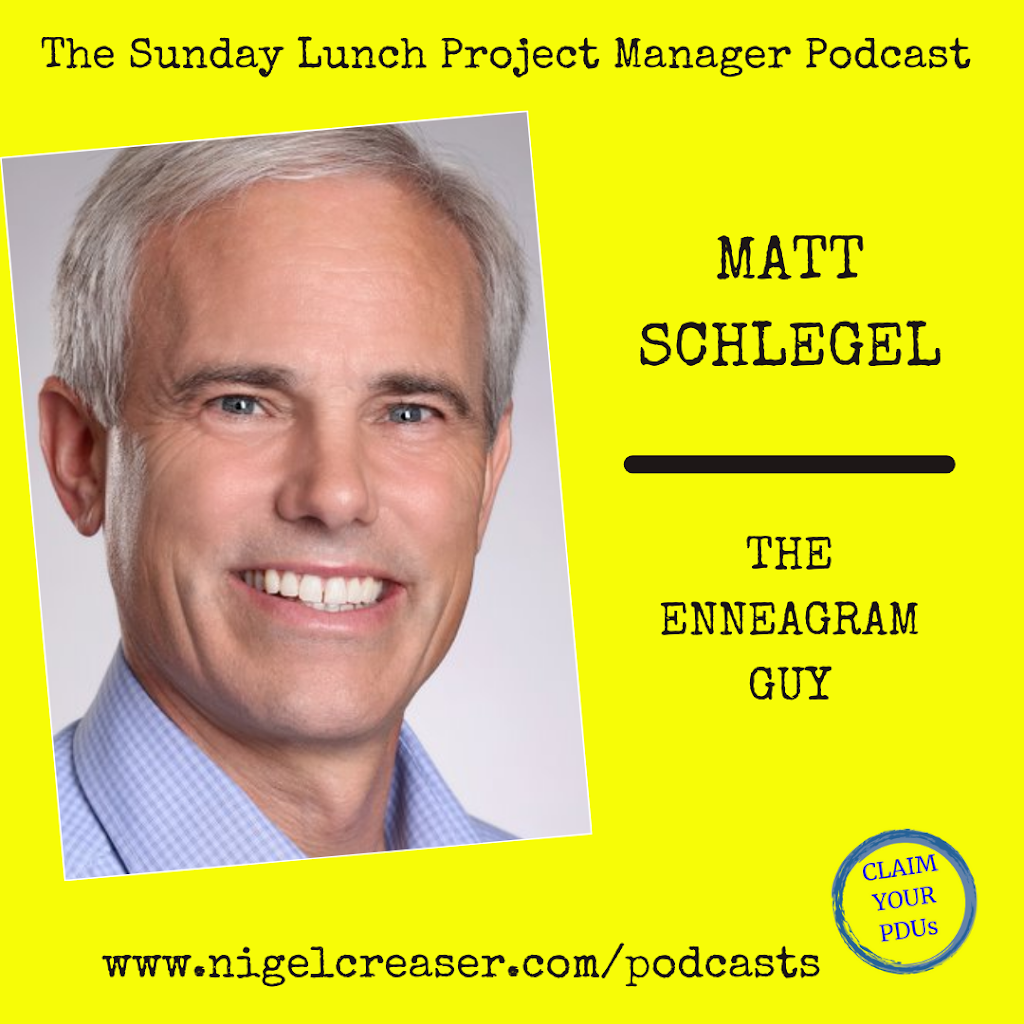
This month, we have two excellent guests on the show, links to their episodes below.
Dennis J Henson is powerhouse in the real estate world, with over fifty years of hands-on experience. A successful investor, teacher, business owner, bestselling author, and international speaker, Dennis has a proven track record of empowering others. Thanks to his guidance and expertise, many of his students have become some of Texas’s most successful business owners. His books on business, self-improvement, and real estate are making a lasting impact, changing lives one page at a time.
(transcript)
Clint Padgett is the President and CEO of Project Success Inc. (Project Success Inc), a global leader in project management consulting that for over 30 years has empowered Fortune 500 companies to plan, execute, and deliver complex initiatives across industries. A dynamic thought leader, Clint is also a ForbesBooks author and the host of the popular podcast The Conversation with Clinton M. Padgett, where he explores the intersection of people, leadership, and project success with C-suite executives and renowned authors. (transcript)

Have a listen / watch to their interviews here:
Dennis
Spotify: https://open.spotify.com/episode/5JqeLyZNOvDuvBbd4Q65xp?si=_biSoJmzRvO1Bx3LUCO9nw
YouTube: https://youtu.be/_y5Dzq_gyY8
Clint
Spotify: https://open.spotify.com/episode/3oMWrAwqXxPfusE5Kk9HcH?si=rdUr1me1RLGmmo5Fgwz1aQ
YouTube: https://lnkd.in/euyvHv2z
For other pod services, jump to here
Support the show
If you’d like to support the show, you can now buy me a coffee, beer, or whatever you’d like. Click here: https://www.buymeacoffee.com/sundaylunchpm
You should soon be able to grab a copy of my books and my guests’ books here soon https://www.nigelcreaser.com/shop
Affilliates
Online PM Courses: https://www.nigelcreaser.com/onlinepmcourses
Dennis’ Transcript
Nigel Creaser:
So today I am delighted to welcome Dennis Henson to the show. The book to anchor the habit of reading daily for the purpose of creating rapid forward motion in life. Dennis has curated profiles, quotes and poems that get people beyond doubting themselves, questioning why their momentum is stalled or suffering from imposter syndrome. He has a career of singular achievement.
Nigel Creaser:
Currently the founder and president of Vanguard Marketing and Investments, and a renowned leader and educator in both the real estate and personal growth industries. He was stumped for a moment when a podcast host asked him if you could name one thing that had been the greatest impact on your students, what would it be? And it became clear to him that forming the habit of reading something every day that educates and inspires them was there.
Nigel Creaser:
We’re going to dig down deep into this and Dennis, thank you for coming on the show. It’s great to have you on. Tell everyone a little bit more about you.
Dennis J Henson:
Thank you, Nigel. I appreciate you having me on. I started in the business world back in 1975, so I’ve been in it for five decades. And the past 20 years, I’ve worked with students and helped them become successful. And that’s probably the best thing that’s happened in my life is the success of my students. The last six years, I’ve been writing.
Dennis J Henson:
I know I’m not going to be here forever and I wanted to try to leave the world in a better place than it was when I came. And I think some of the ideas I’ve learned over the years will help other people. So I’m putting them down so that people can take advantage and read.
Nigel Creaser:
That’s brilliant. It’s interesting because I can see why you kind of done that. I was, I’ve got to just be on my shoulder here, a book of 11 ideas that I used that I kept talking to project managers who’ve worked with me and or even clients as well and had chats with them and the things that I’ve done over the years and little tweaks that I’ve done to get stuff done.
Nigel Creaser:
I kept talking to them and I kind of something sat in the back of my mind thinking, well, one person at a time is a really slow way to help people get better at what they’re doing. And kind of that was the goal behind that as well as to kind of go during lockdown thinking, well, let’s get something out there and more if I help 10 more people, 20 more people, that’s great because seeing people who I have helped and how it’s helped them improve their careers, one to one has been great. fair enough, I’m not going to meet any of the people.
Nigel Creaser:
Or some of the people that are never made and that will have used it and will have moved forward. So. Let’s just kind of wind back a little bit, because obviously you’ve been putting together this this idea in the reading and how to to kind of help people improve. I think that self improvement that reading and things is an under underestimated and and.
Nigel Creaser:
Difficult to maintain skill, I find. Because I know myself that when I’ve read stuff, I have been a voracious reader and I found it really useful. going back to your sort of career, as you say, 1975, way back, what was it you started? How did you get into work? what were you doing? it uni, college or whatever? What was your background there? What was the background of you at home?
Dennis J Henson:
Yes.
Dennis J Henson:
Went to college in music and after I graduated I became a band director and decided I wanted to become a college band director because the college students were more into it. You know, they played better. They didn’t have parents that got involved into the band. And so I was invited to become the band director at the University of Georgia Tech in Atlanta. So I moved to Atlanta.
Nigel Creaser:
So what?
Nigel Creaser:
Okay.
Nigel Creaser:
The search.
Dennis J Henson:
And was ready to sign the contract that had already been written. When I got a phone call from a company in Tennessee saying they wanted to interview me and I just turned them down. said I’m not interested in that. I’ve got the perfect job. I’m going to be a college band director. And so they kind of bribed me. They said, look, we’ll give you a round trip ticket. We’ll buy you a cigar. We’ll pick you up in a limousine.
Dennis J Henson:
Treat you to a steak, and all of that stuff sounded kind of interesting. But in 1975, a round trip ticket on an airline for a young kid was, that was pretty nice. I thought, okay, I’ll go up there and tell them no, and get to take the trip. So I went up there and they did everything they said. And I was very impressed. It was a beautiful facility.
Nigel Creaser:
Yeah.
Dennis J Henson:
And big and all the people that were working there were very wealthy and I thought, wow, that’s interesting. But I still wasn’t convinced. So finally we got around to talking about the salary and the salary they offered me was 20 times the salary that I would get as a college friend record. And I thought my goodness, what I could do with that kind of money. And so I took the position.
Nigel Creaser:
Wow.
Dennis J Henson:
And the first thing they did was they gave me three books. They gave me Think and Grow Rich, Success to Blend Blend Method, and The Greatest Salesman in the World by Og Mandino. Nigel, when I finished those books, I had never read a self-help book. I didn’t even know they existed. When I finished those books, I was a different person. I mean, I was so enthusiastic and I was just exuberant. So I thought,
Nigel Creaser:
Thank you.
Dennis J Henson:
I’ve got to have more of this. It was like a drug. I want to feel this way more. So I asked people, we didn’t have Google back in 75, we didn’t have the internet. So you had to ask people. So I’d find successful people and say, what are you reading? What kind of books have helped you? So I read a lot of books, but only a few of them had that spark, that motivation. So I started keeping a list.
Nigel Creaser:
Strong. Strong.
Dennis J Henson:
Early on in my career, I met Jim Rohn. And Jim said, write everything down in a journal. You never know when you’re going to need it again. So I started writing those books down. And I joined a cassette tape club, motivational cassette tape club. was in Waco, Texas. And you’d pay them a little bit of money every month, and they would send you two motivational tapes. You’d listen and send them back.
Dennis J Henson:
And then send you two more. Well, that wasn’t fast enough for me, so I bought a duplicating machine. And the day the tapes came in, I duplicated them and sent them back the same day. And I got a big library of motivational cassette tapes. Well, I had a large territory, had all of North Florida and all of South Georgia, which is really, that’s a big area. So I drove a lot. And as I listened to those,
Dennis J Henson:
Motivational tapes, I would hear a poem or a quote or a story and I would pull the car over and get my journal out and make a note of it so that I could come back to it. So I started the habit of that in the mid 70s and I continued to do that. So back in 2018, you mentioned earlier, podcasts were just getting started.
Nigel Creaser:
Thank you.
Nigel Creaser:
Of our communication.
Dennis J Henson:
2017, 2018. So there was a big podcast in Houston, Texas on real estate. And so I was invited to be on that. I had been speaking and the host said, Dennis, your students are just amazing. Why are they so successful? There’s all these gurus, but your students seem to just really do well. And I said, well, it’s simple. I have them forms SAS habits.
Nigel Creaser:
The podcast.
Nigel Creaser:
They don’t
Nigel Creaser:
Thank
Dennis J Henson:
If they can form habits of success, they’ll become successful. Then he said, well, what’s the number one success habit? I thought for a second and I said, well, if they’ll form the habit of reading something positive every single day that leads them toward their goal, which in this case was real estate, they will become successful much faster. So after that podcast was over, thought, man, that was a great answer.
Nigel Creaser:
You
Nigel Creaser:
Thank
Dennis J Henson:
Wouldn’t it be wonderful if there were a tool of some kind to help people form the habit of reading every day? Because once they form the habit, then their subconscious takes over and they’ll just do it every day. Then it hit me. For almost 50 years, I’m collecting books, short stories, poems, quotes, and I can put those in a book and people can form the habit regardless of their time.
Nigel Creaser:
Thank
Nigel Creaser:
Thank
Dennis J Henson:
So if they have five minutes, they read a poem. If they have an hour, they can read one of the books in the back. Or in between, maybe they’re waiting on the plane, they got 30 minutes, they can read a short story. And if they get home and they’re exhausted and they forgot to read that day, they can turn to the back of the book and read a quote. It takes two or three seconds and go to sleep thinking about something really positive. And I thought, well, I’ve got all this.
Nigel Creaser:
Thank
Dennis J Henson:
I transferred it to my computer years ago and all I have to do is just put it in a book and in a couple of months I’ll be able to use this with my students and everybody else will benefit. So I started working on it. That was in 2018. In 2024, it got published. So I had to get a lot of permissions, I had to do a lot of free search.
Nigel Creaser:
That was a try.
Nigel Creaser:
Yeah.
Dennis J Henson:
I had to find some of the stuff I’d written down that I didn’t have the whole story and so it took me six years, but it’s really been well accepted. If you go to Amazon and look, I think I have 116 ratings or reviews and five-star average, which is very difficult. mean, if anybody out there is an author, just getting reviews is difficult, but to obtain a five-star rating and have…
Nigel Creaser:
What?
Nigel Creaser:
I’m gonna walk into it.
Nigel Creaser:
Thank
Nigel Creaser:
Yeah.
Dennis J Henson:
Have hundreds of those that’s pretty special. So I’m excited about the book. I didn’t write it to make a million dollars. I actually wrote the book to help a million people and you’re helping me do that because like Zig Ziglar said, if you can help enough people get what they want, you’ll get what you want. And that’s the philosophy.
Nigel Creaser:
Thank you.
Nigel Creaser:
Thank
Nigel Creaser:
Good luck.
Nigel Creaser:
Yeah.
Dennis J Henson:
I’m writing a number of other books and if people read this one and they like it maybe they’ll buy my other books. I hope so.
Nigel Creaser:
Well, that’s the theory, isn’t it? It’s kind of like if I think there’s some some scenarios where people try to write to to get everyone to like it. And actually, you’ve got to write with you with a goal in mind and your goal there is obviously that you’ve got those avatar of a person there in your mind that you just described there of them in a week, having a different day and having different amount of time and a different journey and the business and that and it’s really
Nigel Creaser:
Strong image to have there. And funny, I talk about have a task and with some of the stuff we’re doing in software that I’ve got involved with is that understanding your customer and having a view of who your customer is, and if you can’t actually get that customer in front of you, kind of at least having that, that thought of who it is, because then, and I had I kind of had that with mine was kind of sitting there thinking, well, my avatar is is a PM who
Nigel Creaser:
It’s been a PM for a while and just wants to get more time out of their day. And whether that’s to have a lunch, have a longer lunch, or be able to do more and get more and go, it doesn’t really matter what it was just around how someone could just get that little more. And obviously those, daily inspirations that you’re talking about there. Interestingly enough, I’ve got an interview I did the other
Nigel Creaser:
The other week with a guy called Benjamin Ritter called Becoming Fearless. And the way he structured his book, there is, you can, and I’m sorry to share someone else’s book, but you’ll probably get the view. That’s each chapter is like that. It’s one page and one takeaway. I’ve been trying to do the habit of leaving that, so it’s in my office at the moment, which is the wrong place. I usually leave it where I have my coffee. And I’ve been trying to pick it up and just have a look at one of those. I’ve got an app for mental work.
Nigel Creaser:
Wellbeing where they give me a single quote, a positive quote every day that pops up on my note. And I turn on one as part of my thing, I turn off my notifications on most apps, phones, email, all that sort of stuff. But I’m leaving that one pop up because that’s giving me a daily inspiration, like exactly what you’re doing there. And I can, I really understand how you can do that. And it’s
Nigel Creaser:
It’s one of those things. do you see people having the barrier to that continued learning, that continued moving forward? Is it just time or is there something below that with people you’ve spoken to and thought?
Dennis J Henson:
Well, everybody’s creatures have creatures of habit and whatever habits you have is what you’re going to do. So it’s not that they’re intentionally not doing the thing that will help them the most. It’s just that they haven’t taken the time or done the research to form the habits of the things that’s going to move them forward the fastest. And I really think that
Nigel Creaser:
Everyone, just pray to the Lord.
Nigel Creaser:
And surprise everyone in the future.
Nigel Creaser:
Thank
Nigel Creaser:
Real quick so I can see the faces of the spot.
Dennis J Henson:
For me to have it of reading something positive every day, and this is the second part, that moves you toward your ultimate goal is very powerful. Some people may want to become, let’s say a young lady in high school or college decides, I would like to become a veterinarian. And then she says, well, I don’t have the money, I don’t have the contacts, I don’t know if I can do it, I’m not sure. Her butts get in the way.
Nigel Creaser:
Thanks listening.
Nigel Creaser:
Good.
Dennis J Henson:
But I want to be a veterinarian, but this, but this, but this, but this. Where if she, instead of doing that, she’d say, would like to become a veterinarian and I’m reading something every day about veterinary medicine. And I’m visiting a clinic every week and I’m mentors to help me move in that direction. Then all of a sudden,
Nigel Creaser:
Thank you.
Dennis J Henson:
The direction of her life heads toward her becoming what she wants to be. Now, it could be anything, an engineer, a doctor, an attorney. One of the stories in the book is about Abraham Lincoln, who failed and failed and failed. As a young man, he was very poor. He didn’t have much of an education. He didn’t speak English very well. But…
Dennis J Henson:
He came into possession of some old English law books. Now one thing he did do when he was young was read. He loved to read. He read and read and read and read. So when he found these law books, he thought, man, this is interesting. So he started visiting courtrooms, which is funny. I was in the courtroom this morning. When he got in the courtroom and he heard the attorneys debating, he thought, well, I’m a good debater and I’m better than they are.
Nigel Creaser:
Thanks.
Nigel Creaser:
Thank you.
Dennis J Henson:
And this feels like home to me. And he saw the judge and he thought, this is what I meant to be. So here’s this guy who is broke. I mean, he is literally broke. He didn’t have anything. In fact, he owed a lot of people a lot of money. He barely spoke the English language. He had less than a first grade education. And now he’s decided, I’m going to become an attorney. I’m going to pass the bar and become an attorney.
Nigel Creaser:
This should come around, so I can say, say, peace.
Nigel Creaser:
Thanks
Dennis J Henson:
And I’ll do whatever it takes.” And he did it. And it didn’t take him very long. And that’s what happens when you decide what you want and you’re willing to do whatever it takes to get there. And part of that is educating yourself on a daily basis, which is what Lincoln did anyway. That was a habit he formed when he was very young.
Nigel Creaser:
Yeah, I can see that because it is that that thing sometimes is and I’ve done it myself is and there’ll be things that I wanted to do wanted to achieve and Whether it’s been Physical activity whether it’s been education whether it’s been a bright idea or finishing some of my books You sit there and you go. Okay. Yeah, that’s But there’s a bit of impatience there and it’s like I want it now
Nigel Creaser:
And the thing is, even if you make one tiny step forward…
Nigel Creaser:
That’s a step forward. And sometimes we think, unless I can make a big step forward, what’s the point? I’ll wait until I can make that big step forward. Whereas that’s, it’s that whole thing, isn’t it? It’s all tiny steps. then it’s all that hard work of a stand-up comedian. And suddenly they’re filling arenas and they’ve just come off the back of nothing or a musician that’s done the same. Whereas actually they’ve spent years learning their trade.
Nigel Creaser:
Taking the hits, sleeping on sofas, sleeping in their car. But every day they’ve done 10 minutes of practice of what they do or 20 minutes for over that period. And then they’re an overnight success. It’s taken 30 years to be an overnight success, but that’s what’s seen, isn’t it? We see that overnight success thing and think, well, I need to get myself ready to be an overnight success. Whereas actually, you need to do the work to be that overnight success.
Dennis J Henson:
Right.
Dennis J Henson:
Right.
Dennis J Henson:
It’s funny you mentioned that because I’m writing really in fact two, three and four. One of the stories is about the group Alabama, which is a very popular country Western singing group in the United States. And one day the press asked Randy Owen, who’s the leader of the group said, well, you know,
Dennis J Henson:
How did you handle your overnight success? And he almost laughed out loud because they spent years going to bars and dodging beer bottles being thrown at them and two or three people showing up and working just for tips. They did that for 20 years. And then the press thought they had an overnight success, which was what they played every day. That’s the thing.
Nigel Creaser:
Yeah, it is. Yeah.
Dennis J Henson:
They practiced every single day playing at all these bars and eventually, I mean, they’re good. If you ever listen to the group Alabama, man, they are really good. I have a degree in music and I can tell you, in fact, I went to college with Randy Owen back in the late 60s, early 70s.
Nigel Creaser:
Mm.
Nigel Creaser:
Well, I’m just gonna scribble that down on my thing here and I’ll have a listen to it Do I do like a little bit of music? Well, you see a good little guitar there someone can see about that. Yeah
Dennis J Henson:
Yeah. Yeah, they’re great. My Homes in Alabama is one of their songs. And yeah, it’s a wonderful group. If it’s okay with you, I’d like to give all of your listeners a free ebook copy of the book and no charge and no strings. So if you go to the website, realimpactbook.com, can read.
Nigel Creaser:
Dead?
Nigel Creaser:
Thank you.
Dennis J Henson:
Realimpactbook.com. Scroll down to bottom of the page where it says podcast attendee. Then just click on that, put in your email address, your name. You’ll get the book instantly. It’s an instant download and there are two other gifts. There’s no strings. You will not be put on an email list. This book, I just want you to take the book and let it help you. Hopefully you’ll think of other people that
Nigel Creaser:
Yeah.
Nigel Creaser:
Thank
Nigel Creaser:
Brilliant.
Dennis J Henson:
It’ll help. Maybe you want to give it to a niece or nephew or someone graduating from high school to college or a friend that’s having a struggle because this is a very motivational book. It’ll pull people out. So there is a tab, there’s a link there when you get the free book that says if you want to know when I write other books, click this link.
Nigel Creaser:
That’s it. Brilliant.
Nigel Creaser:
Okay.
Dennis J Henson:
Then you’ll be put on a list so that when I write other books and I have several more coming out, you’ll get one email about the book. Hey, Dennis has got a new book if you want to check it out. But I hope that’s something that everybody will take. I hope they’ll use it and I hope it changes their life for the better, sincerely.
Nigel Creaser:
Brilliant. Yeah, that’s really good because that is that is really generous of you. I think it’s again, it’s that pay it forward sort of approach that you’re talking about there being able to help people without them. Because there’ll be people out there who just there’ll be skepticism sometimes. And I think that’s interesting, actually, because you mentioned two books before you thinking Grown Rich.
Nigel Creaser:
And the old Mandino one, which I’ve got copies of both of those upstairs. And I’ve got a collection, quite a lot, several of Og Mandino’s book there and a collection of books in the similar genre. I’ve got Jim Rohn’s book up there, a couple of these up there as well. there’s a perception of self-development, which I think is different now to what it was when I was growing up in the 80s. There’s a little bit of…
Nigel Creaser:
Woo woo. I mean, self development kind of books around that thing. So I know a lot of books are rooted in the sales industry. And that’s probably part of the pushback on a lot of people because sales is a dirty word. And obviously, for a lot of people in the industry of real estate, that’s what that job is, it? It is sales.
Nigel Creaser:
I don’t know if it’s the same, but there’s a film called I Love You Man. I don’t know if you’ve seen that with Paul Rudd and Jason Seagal where Paul Rudd’s a salesman and selling large houses in LA, I think it is.
Nigel Creaser:
And he’s trying to sell Lufarino’s house and things like that. then comes to some of the things that they do try and sell houses and stuff where they’re probably probably caricatured. But I know it’s a very tough and cutthroat business. having that sort of persistence in those sort of roles and having these sales techniques in there, I think there’s a connection. Some people connect that.
Nigel Creaser:
Those things, there’s Exigular and people like that, there’s an influence in there. But how would you classify that sort of stuff? Because it strikes me, and I’ve took it on board, it’s about we’re all selling ourselves in all roles that we’re in, whether those be friendship, whether those be work, whether those be family, there’s an element of sales that we do in our lives all the time anyway. And those skills are, we do use them all the time. We just don’t realize that’s what they are.
Nigel Creaser:
How do you see that? just thinking about those books and the training that you’re obviously using that sort of training I would imagine for the real estate students.
Dennis J Henson:
Those books are life-changing. I mean they’re not just about selling, they’re about changing your mindset. They’re about developing skills. They’re about seeking wisdom and being persistent. You know, it doesn’t matter if you’re in sales or not, that kind of thing will help you. You know, forming great alliances, making detailed plans. It doesn’t matter what you do.
Nigel Creaser:
Thank
Dennis J Henson:
You don’t have to be trying to sell somebody a bottle of pills or something. I’ve been in real estate for 50 years, but I didn’t sell real estate. I purchased real estate. I buy real estate, fix the real estate up and rent it or sell it or own a finance or something like that. But there’s a line of people waiting. I don’t really have to sell anything if you have some…
Dennis J Henson:
Something nice that people need, they’re gonna come to you to get it. But the books that you’re talking about, there’s some, I mean, for every book I put that I put on my list, I probably read 10 or 15 that didn’t go on my list. But the ones that did, like, I Dare You, you know, that’s a powerful book.
Nigel Creaser:
I’m not sure.
Nigel Creaser:
Yeah.
Nigel Creaser:
Thank
Dennis J Henson:
And the science of getting rich. That book is 150 years old, but it’s still powerful. mean, there’s some really, the books in here, if you just get this book and went to the back and read the books on the list, that would change your life. You don’t have to read a word that’s in the book. Just read the books that are on that list because you couldn’t pay somebody to read for 50 years and just pick out the very
Dennis J Henson:
Best motivational books. Now how much would that cost you? It cost you a fortune to do that. I did it for you already and gave it to you for free. think that’s pretty, that’s kind of hard to beat. And someone, I sent out an email to a friend’s list and said, I’m giving you this ebook for free. And somebody wrote back and said, well, it’s not worth anything if it’s free. And I thought,
Nigel Creaser:
Thank
Nigel Creaser:
Yes.
Nigel Creaser:
Thank you.
Dennis J Henson:
Well then stop breathing air and stop drinking water.
Nigel Creaser:
Yeah, it’s an interesting conundrum actually, because I’ve kind of listened to…
Nigel Creaser:
Author book podcasts and things like that. And you do get the thing where people will write a book or a number of books and then they’ll think that the again, it’s probably the purpose of doing it of feeling that giving away or giving it away cheaply as a book. And I know there’s within the the author there’s a kind of loss leader, which is a base business. It’s a business concept that’s been around forever.
Nigel Creaser:
Which is to attract a customer, you’ll get telecoms company do really cheap phone bills because they’ll get you on that phone line. And then when it comes to renewal in 12 months, you’ll forget to you’ll just leave the auto renew on and then it comes here. That’s it’s standard business approach. And people because it’s such a creative, active activity, people kind of take umbrage on the fact that they’re going, actually, this isn’t I’m giving away my art for free.
Dennis J Henson:
Right.
Nigel Creaser:
But that that pay it forward that given giving things away it just from my point of view it seems to be a way of. There’s a marketing side of it, but also it it depends what you’re doing. It for if you’re doing it just for that, if you want people to read your story or you want people to improve their lives in your in your case with what you’re doing. Doing that in spite of the cost.
Nigel Creaser:
In spite of the money, will, in my hope anyway, in life, would pay back anyway.
Dennis J Henson:
Oh, that’s one of the principles, know, one of the laws of success. You know, if you plant a seed, you don’t get one seed back. You get thousands of seeds. And that’s kind of the principle that I’m working on. If I help enough people, then things are gonna go well for me. And I sincerely believe that. you can read it. The stories in the book are so motivational. I had a hundred stories. Well, if I had put all the…
Nigel Creaser:
Yeah.
Nigel Creaser:
Yeah.
Dennis J Henson:
If I’d put everything I had in one book, it would have been too thick to pick up. So the hardest part of writing this book was deciding which ones to leave out. The only way I convinced myself to move forward was, okay, I’ll do a real impact two and three and four, and I’m doing that. But the ones in this first book are so powerful. And I just challenge people to go to Amazon and read the reviews.
Nigel Creaser:
Yeah.
Nigel Creaser:
As a nation.
Nigel Creaser:
Yeah.
Dennis J Henson:
I mean, the reviews are just amazing. People will say, this came at just the right time. I was struggling. My business was having a hard time.
Nigel Creaser:
Yeah, I think I think that that’s the thing is that, as you said, there’s a motivation in there. And British people, especially. We’ll kind of see past everything. And we’ll sit there going, well, you’re trying to motivate me with this motivational book. And you’re trying to make me do better and do it. And we have that, that that cynicism that comes across and with even me, and I’m fairly optimistic from like my project manager, you’ve got to be optimistic.
Nigel Creaser:
You mean there’s that cynicism we have through there of trying to be G’d up and trying to get going and you guys across the pond, you’re much better at taking that motivation and really externalizing it, is probably the best way to describe it, isn’t it? And I think we all need that kick in the butt sometimes. We all need that little…
Nigel Creaser:
Thing to move us forward. know I last week I was at conference association for project management, Hilton, over in the UK. And it’s a two day conference and there was a like, I’m not gonna say his name because I’ll butcher it. was a Dutch speaker, a Ted talker. And he was talking to us about the climate and climate action and how things how some of the
Nigel Creaser:
Statistics are there and how things go through it. But the way that he delivered what he was doing was to challenge us and make us think and make us decide to do something and take action. that brought me, I come away from that with a million things spinning around in my head, million ideas, how us as project managers can make a difference to this by embedding it in what we do because it’s common sense.
Nigel Creaser:
If you do something that uses less resources, it’s cheaper. And therefore if it’s cheaper, why wouldn’t you do it from a business perspective, project delivery perspective, it’s just common sense. And I find those kinds of things really click with me. And I suppose it’s a little bit to do with characters as well about how those things click in. if you were going to…
Nigel Creaser:
Say to someone, I’m gonna make this a really horrible question, to be honest, and I apologize in advance, but I’m gonna do it. If someone was, they were very lazy, there’s a free book and they can’t be bothered to get to it. But they like listen to this podcast and they usually listen to it to the end say, or whatever. If there was, say three, three books that you would say to someone, that’s it, those are only ones I could read.
Nigel Creaser:
Those were the three that you would focus on on that list that you’ve got in there, or maybe in some of the other ones as well, because maybe that whilst you put these ones in there, the others may strike with you. And kind of what the key learning would be from those books and why you think they, and yeah, yeah, and why, how that resonated with you maybe as well.
Dennis J Henson:
Well, I think the greatest salesman in the world would be one of the books because Agamondino, the way he writes, it’s enduring. His story is in my book. And when he was a child, his mother would take him to the library all the time and she’d read to him until he got old enough to read. And then she would pick out whatever book he wanted.
Nigel Creaser:
We’ll with you in a minute.
Nigel Creaser:
To.
Nigel Creaser:
So thank you very much.
Dennis J Henson:
She told him when he was a child, you’re going to be, one day you’re going to be a great writer. And he believed that. And when he was in high school, they had planned for him to go to the very best college in the States for writers. But then right before he graduated from high school, his mother passed away. And he was in such…
Dennis J Henson:
Desperate situation. He just didn’t feel like going to college so he went to work in a factory and then World War II came along and he enlisted and became a bomber. When he came back he married his old girlfriend and he got a job as an insurance salesman but he wasn’t very good at that and on the way home he would start drinking he would stop to the bar to relax and he became an alcoholic.
Nigel Creaser:
Thank you.
Dennis J Henson:
And his wife left him and took his child and he became homeless. He had no money. We’re sleeping on the sidewalk. And he came to the point where he almost committed suicide. I mean, he came so close, the gun was there and he had just enough money to buy the gun. And he thought, well, this will end all my problems. But he decided not to. And then he passed. He was homeless.
Dennis J Henson:
And passed the library in the snow, was snowing and he thought, well, it’s warm in there. I’ll go in the library. And when he got in, he remembered his mother reading to him and taking him to the light. So it kind of felt at home. So he found himself in the self-help section and he started reading and that changed his life. It turned his life around. And so now we have these books that were written by him.
Dennis J Henson:
And if you wanted four books, you could just go find four books by Mendino, the greatest secret of the world, the greatest salesman of world, the greatest miracle in the world. mean, you wouldn’t have to go any further than that. And I can tell you when I wrote my book, my writings are patterned after the way he wrote. I mean, that’s how much I appreciate him. I think he was one of the greatest authors ever and his scrolls in the back of the first one.
Nigel Creaser:
Thank
Nigel Creaser:
Yeah.
Dennis J Henson:
If you would take those scrolls and make habits of those, you’ll be a different person very quickly because those are powerful, powerful, powerful scrolls. you know, even though the name of the book is The Greatest Salesman in the World, those scrolls are not about selling. Those scrolls are about becoming a great successful person, regardless if it’s selling or
Nigel Creaser:
Thank you.
Dennis J Henson:
It doesn’t matter what it is. And that’s kind of what my book is. It doesn’t matter what your goal is. You can take this book and start moving in that direction very quickly. There’s a picture on the front. And by the way, one of the four books I think you should get is this one. Do you see the picture of the lamp?
Nigel Creaser:
That’s my point. Can you set the camera up? Yeah. There’s a genie’s lamp for listeners there. Yeah.
Dennis J Henson:
Well, the lamp is there. It’s the genie’s lamp. That’s right. And so Aladdin found this old lamp and he was cleaning it and he found it was magic and he could have anything he wanted. And the genie came out and said, you know, master, what do you want? Well, that’s the question. Most people don’t answer. They don’t want, they avoid the answer. They get these desires and they talk themselves out of it. But if you can answer the question.
Nigel Creaser:
Thank you.
Dennis J Henson:
What do you really want? What do you want to be? What do you want to have? What do you want to do? If you can answer those questions, it’s like magic. You’re 90 % there. All of the universe, you would have not received the desire to have these things had you not been intended to have them. So,
Nigel Creaser:
Yep.
Dennis J Henson:
Most people never take that step. They go to work for someone else and help them fulfill their desires. They work all day, they come home, they relax, watch TV, go to bed, and their habit is doing that over and over again because they don’t have to think. That’s just easy life. But if you want to accomplish something big, then you’ve got to think and you have to study and you have to work and you have to do these other things. That’s why there’s only
Nigel Creaser:
Amen.
Dennis J Henson:
Five or six percent that are in that super successful level. They were willing to do those things. were willing to think and that like thinking to a rich, the title says it all. You you grow rich because you thought about getting rich or whatever else it is that you think about whatever Napoleon Hill said, you know, whatever you think about all the time. That’s the secret.
Nigel Creaser:
It.
Nigel Creaser:
Yeah.
Dennis J Henson:
You become what you think about most of the time.
Nigel Creaser:
Yeah. Yeah, it’s like you are what you eat sort of thing, isn’t it? It’s very similar. And I suppose that’s the thing. What you’re thinking about all the time is the habit, isn’t it? It’s habitual and what you’re doing. it’s funny, actually, because I draw some things from that is that this podcast, I was going to stop quite a few years ago, I was thinking it was quite a lot of work going on. But then I kind of the reason I carried on with it was
Nigel Creaser:
Getting to talk to someone myself and getting sort of an hour’s worth of asking the questions I want to ask of someone who’s done a lot of deep thinking about a topic that they’re talking about or is great experience in the topic they’re talking about. And I kind of see it as my sort of own personal and podcasting and again, cassettes, listening to cassettes, listening to sort of hearing stuff in the car, probably short compared to a US drive but
Nigel Creaser:
An hour, hour and a half drive commute either way. And therefore that was before CDs, before internet. so cassettes were what I was listening to on there. similar to you got a lot of learning from that and early adopter of podcasts. Because again, it was the same kind of medium, not listening to people and consuming it that way in a portable manner. And I think there’s a, there’s a
Nigel Creaser:
One of the things with the project management community and I think with all professional bodies, a lot of listeners will be APM, PMI certified people. There’s a continued professional development element. Which isn’t too onerous, fairly straightforward to do, but to continually improve and continually change what we do, whether it be in the specific skills for the jobs we’re doing or generic
Nigel Creaser:
What I’ve heard called power skills, which those self-development skills is where I see the self-help. Because again, it’s the whole, how are you going to be better than you were yesterday? And as a project manager, as a project contributor, we’ve always, every project I’ve gone on, I’ve learned, so I’m in an area now where I’m learning stuff about digital stuff. And I’ve always thought digital, well, isn’t every computer digital?
Dennis J Henson:
Right.
Nigel Creaser:
Now I’ve kind of got where the difference is the user experience is much more connection with the user and I’m learning new phrases, new terminology and I’ve been knocking around this industry for years. Too many years for it to be new. But it’s always and that constant trait learning. And it’s so easy to consider as a PM sometimes to think, well, actually this is another one of these projects.
Nigel Creaser:
And actually, could you do it better? We have lessons learned, have things. So again, this whole thing of how it’s a constant learning, constant refreshing, but we don’t seem to do it for ourselves as easily, but we do it as part of our job or part of that continual professional development, not just as a default to move us forward. And I think it’s something that we can all be better, we can all be a better us. And I talk about it in my book, about yoga, about productivity and time management, things like that. You can always get better.
Nigel Creaser:
And like yoga, you can’t be done. You haven’t been the best you can be because there’s always some bit of us we can get better at. I can’t say I’m Maybe to my British listeners more than anything, and maybe this is me just holding a mirror up to myself a bit. I know there are some people out there where things like Think and Grow Rich and Rich Man of Babylon and things like that. they kind of.
Nigel Creaser:
Certainly from Breast Road, where it is unseemly to think of making money as being a positive thing. Richness doesn’t have to be money. You know what mean? That’s where I come in. You can have a rich spiritual life, can have a rich philanthropic life. It doesn’t have to be. If you think and you want to be able to save a hundred kids in a war-torn zone, you can do that.
Dennis J Henson:
That’s right.
Nigel Creaser:
But it’s about thinking about it. And then how do you get there? How do you get those things there? It doesn’t, the rich thing is about a means to an end, not the means is where I’ve always looked at it. Whilst I’ve been fairly mercenary as I grew up, a child of the 80s, I wanted to be a yuppie and like, what’s his name? Gecko kind of lunches for wimps kind of mindset. I’ve changed that as I’ve got a bit older and understood that it’s what it can get you and what it can do for you.
Nigel Creaser:
And I think with our projects is that we can have a experience with our projects by the standard thing of thinking, where are we going to? What do we want to get to and how do we get there? And that’s what we do in project managers every day, but we don’t do it with our own personal development.
Nigel Creaser:
Sorry, there’s a long tirade there.
Dennis J Henson:
Yes, well, I agree with you. Wealth is a feeling. Being rich is a feeling. You know, there are rich people who don’t have any money. They’re rich because they’re happy with everything they have. Everything, they wake up every morning and they’re happy with their family and they’re happy with where they live and what they do. And that’s wealth. That’s wealth.
Nigel Creaser:
Thanks.
Nigel Creaser:
Thank
Nigel Creaser:
Hmm.
Dennis J Henson:
And then there are people who have so much money and they’re just so bitter that everything bothers them. They’re not really rich or wealthy. They’re just sad. know, it’s wealth is not about money. Wealth is about having a happy life. You know, if you’re if you’re fulfilled and one of the things that I
Nigel Creaser:
Yeah.
Nigel Creaser:
Yeah.
Nigel Creaser:
Yeah.
Dennis J Henson:
I like to talk about when I’m doing a speech is I call it the G vitamin. If you take the G vitamin, your blood pressure is going to be lower. People don’t like you better. You’re going to live longer. Everything’s just going to be much better for you. And it’s free. G vitamin is free and that’s called gratitude. So if you have a daily session of gratitude, then
Dennis J Henson:
It’s going to be really good for your health. It’s going to be good for your relationships. It’s going to be good for your sleep and everything else. But if you’re always bitter and commenting and things, you know, always looking for, I wish I had this or I wish I had that or things, wish things were better. It’s just hurting you. It’s not really, it’s not really helping you. And there are ways to get those things, but you can still be happy while you’re doing it.
Dennis J Henson:
The grudge on the people.
Nigel Creaser:
Yeah, that’s brilliant. That gratitude has on another conversation where someone talked about writing down three things that you’re grateful for each day. And I’ve struggled with seeing gratitude sometimes when times have been hard. And I’m not in a, you know what mean? a middle-class white bloke, straight, able-bodied, in a stable.
Nigel Creaser:
As stable as anywhere else these days, country. And even I’m finding that gratitude quite difficult sometimes. And, but when you do start doing it, I have noticed how it does make that little bit of difference. And it’s kind of, I think part of that gratitude is, you know what you want, and you’re going towards it, well, everything is a step there.
Dennis J Henson:
Yes.
Nigel Creaser:
And you do it for others really well and not necessarily for yourself very well. I remember it made me think of when my daughter was having trouble at school, she wasn’t enjoying school. So rather than how was school today, I changed the language to what’s the best thing that happened at school today. And then, and that had, we had a completely different conversation when she got home from school to if I said, was school?
Nigel Creaser:
And it’s just that reframing of yourself and it’s getting if we do self with the graduates kind of good to lie down in the bed at night, it’s right. All our projects we go right, what went well today, we very much a lot of time I my role with dealing with exception reporting. So where things are going wrong, right, I need to dive in and help with that dive in. And it feels sometimes like everywhere there’s just fires to put out. And that’s because there’s that 5 % of fires to put out and 95 % of brilliance that’s just going really well that
Dennis J Henson:
That’s good.
Nigel Creaser:
You don’t have time to recognize and celebrating success and doing that again. It’s that gratitude thing of we’ve got a team who’s delivered this. We’ve got a customer who’s really happy, but the thing that gets the attention is the thing that went wrong. And I think that gratitude applying that in life and into projects, I think is is really can be really powerful.
Dennis J Henson:
One of the things that makes school unpleasant for children, and I think if more schools embrace this, is why are you in school anyway? What is it that you want to get from school? When I was in high school and junior high, I was a terrible student. I made poor grades. I hated being there. But then one day I saw a college drum section.
Nigel Creaser:
Hmm.
Dennis J Henson:
And I thought, I’ve got to be in that. mean, I’ll do anything to be in that. So I went to my band director and said, how do I get in that drum session? And he said, well, you’ve got to go to college. And he said, your grades, you’ll never get college. And I said, well, we’ll see. Maybe I can change my grades. So then school became a means to an end, you know.
Nigel Creaser:
Thank
Dennis J Henson:
I had to study because I wanted to study because if I didn’t study I couldn’t be in that drum section. And so the D’s and F’s turned into A’s and B’s. you know, three years later I was marching in that band and playing in that drum section and was in college. Which was like a miracle. Because none of my teachers would have ever thought that I would ever go to college.
Nigel Creaser:
Yes.
Nigel Creaser:
To it.
Dennis J Henson:
In fact, when I told them that I intended to, some of them laughed out loud. They thought that was really funny, but I showed them. you know, a lot of success starts with what do you really want? And if people are listening to this and they haven’t really sat down and thought, what do I really want in life? You know, what do I want to see? What do I want to do? How do I want to be remembered?
Nigel Creaser:
Yeah.
Nigel Creaser:
You
Dennis J Henson:
Those are very powerful questions and if you can answer them, it may change how you feel about your life and how enjoyable it is.
Nigel Creaser:
Yeah. Yeah, absolutely. Those those things because if you’re not moving forward towards what you think you want, perhaps you don’t want it. And actually, to be fair, things change in life. Depending on what’s going on, you adjust and you need to reevaluate it regularly.
Dennis J Henson:
Well, as a project manager, if you don’t know what the project is that you’re trying to accomplish, you’re never gonna accomplish anything. And life’s more important than a single project.
Nigel Creaser:
Thank
Nigel Creaser:
Exactly.
Nigel Creaser:
Yeah, absolutely. And then then those projects become part of what that is to deliver that. So yeah, that’s brilliant. So Dennis, it’s we’ve, we’re coming on coming up to the top of the hour just now and a good chunk through there. And I took us through a couple of rabbit holes. Was there anything that you wanted to say on the show and so talk to say to my to my listeners?
Nigel Creaser:
I’ve stopped you from saying.
Dennis J Henson:
Well, you haven’t really stopped me, but I would hope that everyone would go to realimpactbook.com. It’s a fun website. There are lots of different links on there. We have games where you can win different packages of books and we have free like every month we have a different free book. Maybe one month it’ll be Think and Grow Rich, the next month it’ll be How Dare You and it’s just free books.
Nigel Creaser:
Thanks.
Dennis J Henson:
So that you can read them and become better. Maybe you haven’t found these books yet. And there’s a place there where it says help the children, where it’s a GoFundMe program. If you want to donate, we give these books to disadvantaged communities, to libraries and small schools that are having a hard time.
Dennis J Henson:
And so if you just go there and check that website out, I would appreciate it. I think you’ll love it. And if you go back every month, you’ll have the opportunity to win some fun things.
Nigel Creaser:
So, in this one, we’re going to about what’s on
Nigel Creaser:
Brilliant. Superb. So I’m guessing that is the bet. I’ll put the links in the show notes as being the best place to get hold of you. Or is there any other avenue that is a useful one to get hold of you and chat and continue the conversation?
Dennis J Henson:
That website has a contact us and it has my email, has my phone number, it has my cell phone. So if you wanted to have me for a speech or a podcast or radio program or if you just wanted to talk, you know, I’m very accessible and I like helping people. So I would be happy to hear from you.
Nigel Creaser:
Thank
Nigel Creaser:
Brilliant. Dennis, thank you so much for agreeing to come on the show and being such a fascinating guest. well, all I can say is, yeah, thank you and you have a wonderful rest of your day.
Clint’s Transcript
Nigel Creaser (00:01)
Today, I am ⁓ delighted to welcome Clint Padgett to the show. ⁓ Clint is the CEO and President of Project Success Inc, ⁓ a project management methodology that delivers results across all industries. ⁓ He is also a Forbes books ⁓ author and the host of the conversation with Mr. Clinton and Padgett podcast ⁓ with a Bachelor of Electrical Engineering from Georgia Tech and MBA from the Fuqua School ⁓ of Business at Duke University.
Nigel Creaser (00:29)
and backed by over 30 years of experience, Clint has helped some of the world’s largest companies maximize their business outcomes, optimize their teams, and develop lasting project success practices rooted in accountable processes ⁓ and deep personal commitment from team members. ⁓ So Clint, welcome to the show. ⁓
Clint Padgett (00:48)
Oh, my pleasure. Happy to be here. Yeah, that sounds great until you say 30 years experience. I’m looking around. Where’s my dad? And I realize, oh, that’s me now.
Nigel Creaser (00:55)
Yeah, I keep doing that. I keep looking at things going well that was 20 years ago and then realize it’s 40 years ago and it’s kind of yeah, it’s just it’s bizarre that I saw some stuff a while ago that in the 80s
Clint Padgett (01:00)
Yeah, exactly. ⁓
Nigel Creaser (01:11)
So I think it was or something like that. 1985, ⁓ the end of the Second World War was, I can’t do the maths, whatever, ⁓ it’s the same distance to now, to the 80s. And that was kind of my childhood growing up. I’m like, ⁓ yeah, it’s a different, I can see why we killed the kids. ⁓ exactly. My kids ⁓ kind of how they ⁓ shake their heads at some of the life that we lived in the 80s, as we were talking about with phone calls earlier and things like that. ⁓
Clint Padgett (01:20)
Yeah. ⁓ That can’t possibly be right. Then it masks correctly. ⁓
Clint Padgett (01:38)
Exactly.
Nigel Creaser (01:40)
I told you I got off a rabbit, was telling you. Tell us a little bit about you, a little bit more than that, behind that blurb that I read out.
Clint Padgett (01:49)
Yeah, so right out of high school, I grew up in the rural south of the US and right out of high school, I joined the Navy spent six years in the Navy on an aircraft carrier ⁓ and got out of that was electrician’s mate. And actually, one of my cruises, we went to to England and spent some time in Portsmouth. So that was interesting. ⁓ And then I did six years of that and you work basically 12 on 12 off seven days a week. And so after six years of that, I thought, you know, it’s probably something better to do in my life than this. So I got out of the Navy and I went to work in a shipyard.
Nigel Creaser (02:04)
Right. ⁓
Clint Padgett (02:18)
And there’s probably no greater motivation to go to college than the world and to work in a shipyard in Norfolk, Virginia, in December and January, which is exactly what I was doing. You you walk into the shipyard every day, the wind is coming off the water, it’s cutting right through you, it’s super cold. So after two months of that, I thought, OK, maybe maybe college isn’t such a bad idea. ⁓ So I ended up I was lucky enough. I’d always wanted to be an engineer and I was lucky enough to get accepted to Georgia Tech where I got my double degree. When I graduated, I basically walked across the street to Coca-Cola.
Clint Padgett (02:47)
If you ever been to Atlanta, can’t get an easier commute than at Coca-Cola’s on one corner on things right across the streets, Georgia Tech. I started at Coke, spent about six years there in the engineering group. then in 96, the city of Atlanta, or 94, the city of Atlanta got awarded the Olympic games for 1996. I wanted to work on that project. So I ended up leaving the Coca-Cola company, going to work for Project Success to work on the Olympic project at Coca-Cola. And my
Nigel Creaser (02:48)
Yeah.
Clint Padgett (03:13)
My goal was to do that for a few years and then go back to Coke, but I ended up loving this job so much that 30 years later I’m still doing it.
Nigel Creaser (03:19)
⁓ wow, brilliant. ⁓ with ⁓ the Olympic side of it, what ⁓ was, was the, I’m going to dive straight into that really, because obviously that, ⁓ you talk, I read, there’s a book behind me somewhere around Mega Project, how big things get done, Brent, Flagberg, ⁓ and I was reading ⁓ The Griller in the Cockpit, ⁓ well I’m reading at the moment on the Kindle.
Nigel Creaser (03:45)
When they talk about mega projects and these Olympic Games Olympic events are ⁓ those ⁓ every four years and the Commonwealth Games in the UK are these ⁓ huge mega projects and I’m not sure what other kind of projects should be doing. How did that contrast to? ⁓ Some of the other things that you’ve done. ⁓
Clint Padgett (04:05)
So from a time wise perspective, they’re not that difficult ⁓ or different. should say they’re difficult, but they’re not that different. So ⁓ I’ve been involved in, in large construction projects in Times Square in New York, ⁓ one Bryant Park, is, know, multi, it’s a huge, huge building in Times Square, ⁓ all the way down to semiconductor chip design projects to I’m on a four year project right now at ⁓ Coca-Cola and an innovation group. So ⁓ the Olympics, we also work on all the FIFA World Cups for Coca-Cola as well.
Nigel Creaser (04:16)
Thank you.
Clint Padgett (04:33)
And by the way, don’t, if you’re listeners, don’t ask me for tickets because I don’t get them. So I can’t give them to you. It’s not how it works. They say I’m the best person to plan because I’m not a fan boy. it’s great.
Nigel Creaser (04:33)
Right?
Nigel Creaser (04:39)
I was talking to a ⁓ mate.
Nigel Creaser (04:43)
Yeah, I was talking last night to my mate, the father is in the US next year. And we were like, Oh, should we get East? Like, should we go? And I’m like, Yeah, we we won’t get a pass to go there from our bet halves to go out. then he’s been spotted. He probably Yeah, it’d be all right to say that the fact that he’s got part of his company that he’s working for at the moment has an office in in Texas. And I don’t know whether it’s Dallas or it was Houston. But basically, it’s kind of like, they go out there quite regularly. And he’s like, Oh,
Clint Padgett (04:54)
you
Nigel Creaser (05:12)
So, yeah, depending on who’s playing where and when and things like that. he’s kind of like, see if I can carry his bags for him. But yeah, that’d be quite interesting.
Clint Padgett (05:13)
you
Clint Padgett (05:21)
Yeah, exactly. ⁓ I did some work. So I was working on the FIFA World Cup in ⁓ 2014 in Brazil.
Clint Padgett (05:31)
And the Brazilians absolutely love their football, right? Just absolutely love it. And for those Americans, that’s F-U-T-B-O-L. It’s not the one we talk about. And so we would go to these places like a CFI or Brasilia or wherever. And the first thing that I always want to do is go down to the pitch. And I know nothing about soccer. So I’m like, what’s the pitch? That’s a baseball turn. What is this pitch? And they go down. And I’m not kidding, man. You go down on the field.
Nigel Creaser (05:39)
Thank ⁓
Clint Padgett (05:57)
And it’s like the angels were singing and the choir was playing their faces would just light up and they would, it’s the pitch. Like, it’s just grass, but. ⁓
Nigel Creaser (06:04)
Yeah, well, it’s interesting. I mentioned Rexamon. I’ve become a Rexamon fan over the years. And I’m bang on about it a bit, but we were at a game the other day when they secured promotion up to the championship again. And one of my mates who’s there, we were all down on the pitch, in pitch invasion not meant to and all that stuff and potentially get fines and stuff. And I can understand from security and safety point of view because of historically the British in the 80s.
Nigel Creaser (06:33)
football ⁓ troubles that were around and then weren’t ideal. ⁓ But there’s a picture I’ve got of my mate with ⁓ a couple of blades of the grass going like that. He’s just picked a bit of grass and popped it in his pocket. And it is hallowed turf, isn’t it? ⁓
Clint Padgett (06:51)
I’ve only been to two official either FIFA matches in my life and both of them England was playing and it’s just so funny because on both events there would be like a hundred people, a hundred policemen on the field and 98 of them would be in front of the English people and two people for the rest of the stadium.
Nigel Creaser (06:59)
Thank ⁓
Nigel Creaser (07:06)
Yeah, yeah. Yeah, it’s unfortunate that we are passionate, probably the word you describe about them and the approach to sport and the way but then I suppose some of the other European teams are kind of similar as well. They did some of the some of the places around but it’s it’s interesting because from a Coca Cola point of view, what is what is the role that you’re doing the project that you’re doing as part of those events?
Clint Padgett (07:34)
Sure, it’s planning their activations around the Olympics, FIFA World Cups or whatever big event, Worldwide sporting event we’re working with them on. It’s, they’ve got all their activations to get ready for the event, whether that’s product inside the venues, marketing leading up to the events. You know, what else? It’s the what goes on the what goes on the pitch, the field of play, you know, what products are going to serve, how they’re going to get it there. It’s all the logistics items, but where they store it, is it going to be pre chilled? How does it work?
Clint Padgett (08:01)
So it’s quite intensive just to, start playing in those things two years out to get ready.
Nigel Creaser (08:06)
Wow, because I suppose, yeah, it’s not just going to bottles and cans, is it? You’re to have ⁓ syrups for the dispensers and things like that that would be used on those sort of things. And again, it’s not just Coca Cola, is it? ⁓
Clint Padgett (08:17)
Yeah, I think I’d like to say it’s it’s much like planning a party at your own house. It really is. It’s just a much bigger scale, right? Because ⁓ just like you’re planning a party at your house, you’d say, all right, I need to have I need to have the beer pre chill somewhere else in case it runs out in this location. I can’t I won’t have time to cool it down later. So let’s do it now. ⁓ So it’ll be ready and be chilled. And then I got to have trash cans in the right places for the recycle, you know, for the cans or the bottles to go into. I’m going to send out invitations. I’m going to advertise. So it’s it’s much
Nigel Creaser (08:30)
Thanks.
Nigel Creaser (08:42)
⁓ It’s cool. ⁓
Clint Padgett (08:47)
planning a party is just it’s obviously on a much larger scale and then I always joke that you probably don’t have governmental relations that you have in in your personal house but you but you kind of do because you know you can’t serve alcohol to somebody who’s too young and you know it’s you got your guest list you see you’re not selling tickets but it’s it’s a lot of the same it’s just much bigger
Nigel Creaser (08:51)
Yeah.
Nigel Creaser (08:56)
Yeah. ⁓
Nigel Creaser (09:07)
Wow. Yeah, I never thought of it like that. Because you just think, well, it’s just people just do these things. And it’s fascinating that these, because I did talk ⁓ to one of my guests whose name has gone out of my brain. I can see her face. ⁓ I read her name earlier today. ⁓ She’s based in Brazil. And she does event coordination things and kind of IT event things and things like that. I’m going to a conference tomorrow, the day after the APM’s conference.
Nigel Creaser (09:37)
I always get really intrigued about behind the curtain. What? What’s what? How is this all doing? How do people coordinate? And I’ve been involved in a couple of small event things. And it’s just like that whole, like as an Olympic Games, you’ve got the element of the the foods, the drinks, that’s that sort of thing. it’s major brand sponsors like Coca Cola. But you’ve also got all that thing of the networks and the the
Nigel Creaser (10:05)
the IT ⁓ is that kind of availability for the media center, which is such a massive undertaking and then ⁓ tracking where people are going understanding the flow and talking about that. And I imagine the AI is kicking into this a lot these days around, right, you’ve got these events, how are we going to build them? How are we going to let people in so that the flow around the building makes them go past things to buy the concessions and that rather than avoiding the concessions and then ⁓ the data science that goes around those sort of things.
Clint Padgett (10:05)
Media center, all that, yeah.
Nigel Creaser (10:33)
And when they’re designing these stadiums, and obviously in the US, ⁓ the stadiums there are like another world compared to the ones over here in the UK that are shoved in between some houses. ⁓
Clint Padgett (10:45)
But we got our work cut out for us. We got to figure out how to keep people out of crawling through the ceiling and avoiding the ticket process altogether, which is what happened in the, was it the CONFICAF, something that was recent. had a sporting event down, it was a soccer game down in Miami and some fans. It went out of control for sure.
Nigel Creaser (10:55)
So, right.
Nigel Creaser (11:00)
Right.
Nigel Creaser (11:04)
Yeah, it’s a big undertaking, isn’t it? Massive. So tell us a little bit. So obviously, you worked into ⁓ code collies into the builders. ⁓ What kind of ⁓ what kind of ⁓ projects have you been is it been in that kind of ⁓ similar range? Or you spread it across ⁓ the different phases? Because that’s it. I’ve been IT project manager, a little dip into all the trying to organize my family. But other than that, I’ve not kind of stepped in. I look at the
Nigel Creaser (11:33)
building projects and things like that ⁓ and ⁓ the more change rather than the more IT projects. And I always look at those thinking we need that specialist knowledge. How do you find that sort of ⁓ going between different industries? ⁓
Clint Padgett (11:48)
So it’s, think that’s what makes the, my job beautiful because I don’t have to, you know, they call soccer the beautiful game. Well, for me, this is the beautiful, the beautiful work because I, I get to work on many, many different kinds of projects. So as I mentioned earlier, I’ve been on big, tall construction projects. ⁓ I’ve been on semiconductor projects ⁓ within Coca-Cola. I’ve been on HR projects, IT projects, security projects, the worldwide sport projects, innovation groups. ⁓ I spent a lot of time in my career at Caterpillar.
Nigel Creaser (12:07)
And then go to the water, we put in a bit of water, and we start the water jetting. And then you’re going to see the jetting. And so that’s the base of the base going to see.
Clint Padgett (12:18)
I’ve also spent some time over in your world at JCB on projects ⁓ in product development, manufacturing, design and engineering. ⁓ And so the beautiful part is I don’t have to be the expert in what it is I’m planning. That’s what the team is for. I’m just there to facilitate the process and make sure that we get everything connected from Joe, Bob and Fred.
Nigel Creaser (12:21)
Thank you.
Nigel Creaser (12:32)
you
Clint Padgett (12:39)
and how it all interconnects and with the right durations and the right sequencing and then help them compress back to meet whatever deadlines they’ve got for management. So for me, it’s dependent on the, I don’t need specific industry, specific knowledge about a certain thing. Like I don’t have to know how a curtain wall gets installed on a 40 story building. I just have to know that it needs to be installed.
Clint Padgett (13:00)
And it needs to happen before this next task can happen. And I need to have somebody on the team who says, yep, I’ll do that. It’s my job to make sure that happens. And we’re going to need six weeks for the curtain walls on 44th floor. Or if I’m doing a different kind of project, semiconductor chip design, where we’re trying to develop the semiconductor out through.
Clint Padgett (13:22)
through tape out, then I have to have engineers, design engineers, and analog and digital engineers on the team, and test engineers who know the specifics. And I just know that the process generally looks like this, and you can’t test it if you haven’t designed it. And all that has to be done before you go to tape out. So ⁓ it’s not industry specific so much as ⁓ just relying on the team to help you build it.
Nigel Creaser (13:41)
⁓ Yeah, it’s interesting because ⁓ it’s always been something of depending on the scale and size, I suppose it ⁓ and the team that you’ve got there because ⁓ I know that I would be ⁓ if someone said the right night to come and build this bridge ⁓ across wherever ⁓ and I’d be like, well, can’t ⁓ I’ve done some decking home as probably as far as I go and then I mix some concrete with it. ⁓ And I’ve got a friend of mine who’s project manager in
Nigel Creaser (14:11)
⁓ housing. So he ⁓ ends up his site manager and he’s essentially a project manager at the end of the day, it? And how knowing ⁓ the things that you don’t know in that ⁓ discipline, like you don’t know ⁓ the health and safety stuff, say for ⁓ all union ⁓ laws and things like that, where you might be using ⁓ dealing with unionized ⁓ skilled staff or things like that. Now these are things I can
Nigel Creaser (14:39)
can pick up just little bits around there, but there’s going to be things I don’t know. If someone’s coming into the IT industry, knowing the ⁓ security side of things and data stuff and things that probably wouldn’t necessarily be aware of. How do you approach that? ⁓ you say you’ve got your team, say you walk in there new, right? You’ve got a project, so we’re saying, do this, Clint. You’ve got to start a new team. How do you know who to hire? How do know who to bring onto that team so you haven’t got some knowledge missing?
Nigel Creaser (15:08)
How do you go about that? Is there generally a sort of a core team of expertise that you drop into?
Clint Padgett (15:16)
And normally I work with somebody at the client and they’ll be.
Nigel Creaser (15:17)
and you’ve just frozen on me. I don’t know if it’s me or you.
Clint Padgett (15:23)
It was you. I lost you. I didn’t get any audio for a while. So I figured out the question.
Nigel Creaser (15:28)
⁓ Yeah, you’re freezing and it’s going in and out.
Nigel Creaser (15:38)
So I don’t know if it’s me or you.
Clint Padgett (15:46)
Says I got a good strong signal. I don’t know. I’m plugged in. So.
Nigel Creaser (15:47)
Yeah, ⁓ okay. Okay, so we do want to go if you heard the question I asked you. But how do you know who to hire should count you in and then we find do ⁓ a mark and then we can cut these. This is the time when I do try to remember to delete stuff. ⁓ But maybe people get behind the curtain and this as well if I forget. ⁓ But yeah, so if I do 321 in and then you can ⁓ answer the question. So ⁓ 321
Clint Padgett (15:56)
Yeah, yeah, I heard the question.
Clint Padgett (16:10)
Nah, no worries.
Clint Padgett (16:14)
Yep. I think this interesting question, it’s usually I depend on so when I get dropped, I don’t I don’t just come out of the blue, basically, I’m working with somebody at the client side, he says, we want you to come in and help facilitate this project and help us get it on track or keep it on track. ⁓ I work with that.
Nigel Creaser (16:17)
Thank you ⁓
Nigel Creaser (16:28)
and then jump to the bottom of the world.
Clint Padgett (16:30)
person internally and say, who’s, you know, who’s going to be on the team with us? What’s, what do we need to do? And who should be there? Do we need to have somebody from health and safety? Is that an important piece of this? We need somebody from, from the tool shed. Do they need to be a part of this? Do we need somebody from the labor labor? You know, you need to be a part of the project. So working with the internal person, usually they’ll be able to help me flesh out who should be in the meeting. And then during the charter session, which is where we identify what the scope of the project is and agree to that scope.
Nigel Creaser (16:39)
and ⁓
Clint Padgett (16:57)
Usually you’ll find if you’re missing somebody at that point and you can invite them before you go into the planning piece. And worst case scenario is you get into planning and you realize, hey, you know what, we don’t have ⁓ Jane and Jane’s an integral part of this, but we fool everybody together so we can’t not do it. So let’s go ahead and finish it. And then we’ll have to bring Jane in after the fact and have her insert her knowledge and correct us where we’re wrong. ⁓ But in the perfect world, you would get this information upfront. So you’d have all the right people in the room together.
Nigel Creaser (17:00)
Thank you. ⁓
Nigel Creaser (17:15)
That’s the kind of thing we’re extremely proud of. ⁓
Clint Padgett (17:24)
But it’s it’s not me to decide that. It’s me working with somebody internal at the company who’s bringing me in that says, we have this project. And I would say, okay, well, based on my knowledge, here’s the people we need to make sure, but I need to, you you need to tell me who else should be there.
Nigel Creaser (17:24)
Yeah. ⁓
Nigel Creaser (17:28)
⁓ you
Nigel Creaser (17:37)
Yeah, ⁓ so having that ⁓ is kind of not going in cold, because it is always a thing of thinking that ⁓ I suppose I kind of have because in the industry, I’m in it in the industry, I’ve been in, I’ve stepped across a lot of different technologies that where ⁓ I haven’t got clue, ⁓ like when I stepped into networks, ⁓ but there was a lot of network engineers, network architects, ⁓ security ⁓ engineers that knew what they were doing. And it was kind of like, yeah, okay, so I could kind of get it and see that it’s just
Nigel Creaser (18:06)
sometimes to me I always see as this big massive leap ⁓ to some of these things. ⁓
Clint Padgett (18:10)
And I think the other part of that Nigel is you, ⁓ I would argue you should not be the subject matter expert because if I’m the subject matter expert and I’m planning it, then I’m planning it my way and that might not be the right way. I need to rely on the team to decide how, what is the right way to do it for them, for their project and their location, where they are. Otherwise, ⁓ I’ll end up with a plan that doesn’t work for them because I can’t plan it my way. has to be their way. So I don’t need to be the subject matter expert. What I like to say is I need to have enough
Nigel Creaser (18:31)
Thank ⁓
Clint Padgett (18:38)
50,000 foot level knowledge to ask mostly good, sometimes stupid questions to say things like, wait a minute, I’m confused. How can you do this if you haven’t done that? And sometimes you say, they’re not related. Most of the time they go, oh yeah, you’re right. We need to do that. So I just get to stand off and at a 50,000 foot level, just look at it. And in the end, what I say is nobody will understand the project, how it all fits together better than I will. I can’t do the task. I have no idea how to do the task. But I understand how they work and how they interact.
Nigel Creaser (18:44)
⁓ Yeah. ⁓
Nigel Creaser (18:53)
Thank you.
Nigel Creaser (19:09)
Yeah, I get that. And it’s it’s ⁓ yeah, I can see we’ve got coming from that hole. ⁓ I’ve, I’ve done that scenario of asking, as you say, the stupid question kind of going through a plan and making some assumptions, sometimes forcing the hand of some of the team say, right, we’re do this, this, this and wait for them to say, No, you can’t do that because of x, y, z, ⁓ and hope they say that. And if they don’t, and then it doesn’t work, then well, ⁓ yeah, that’s, that’s the assumption based things because it is
Nigel Creaser (19:37)
it is that it’s that kind of bias that you’ve got off your own experience. And it kind of like, I suppose, those stupid questions are the ones that are the challenge questions that help people think differently. To say, No, I never thought about doing it like that. And you because they always think, no, this is the way it has to be done. This is where has to talk to friends the other day around. They were going into new organizations. And when they got into their paywall, we can’t do that.
Nigel Creaser (20:06)
we’ve always done it like this. And it is kind of like, ⁓ well, Well, don’t know, really, and then ⁓ you unpack it then you find out, actually, you don’t need to do it like that. ⁓ There are consequences ⁓ of doing something different, like having a different shift and bringing in some training, we’ve got to train a new person.
Nigel Creaser (20:28)
It’s not a problem. train, we would have to train another week, but doesn’t matter. You mean that I went on training course a few years ago now. It was a, it was a conference type thing with the internal thing. And they were doing some gamified training. And it was about negotiation and we had two teams and a central person. And we are three teams actually, we were negotiating with this central sort of person to get resources, but we could negotiate with the others as well.
Nigel Creaser (20:57)
kind of swap things and yet things have different but it wasn’t like a bruised like blocks and stuff, but different sizes, shape meant different things. ⁓ And we had to build something. ⁓ And all three groups ⁓ put in place ⁓ unspecified constraints. And we weren’t a young, ⁓ inexperienced groups of people, they were sort of ⁓ one step below VP and a couple of steps below VP. ⁓
Nigel Creaser (21:26)
⁓ and I managed to get there carrying someone’s bag somewhere. But you know what mean, there were senior people there and ⁓ we were all doing the same thing of putting those ⁓ assumed constraints in there. And I think all our teams do that. And sometimes finding those is really hard to find those because we’ll end up not having the knowledge to able to challenge them with knowledge and be able to push harder. So sometimes you just take them as written, but actually they’re not really there.
Clint Padgett (21:39)
Yeah. ⁓
Clint Padgett (21:53)
Sometimes it’s funny, I always say that I ask stupid questions, but I find that they’re mostly not. ⁓ Or there’ll be the younger person on the team who doesn’t know either, and so it’s good for them to learn. Or ⁓ I’ll ask a question and everybody’s nodding, looking at the SVP going, exactly why? ⁓ Let me hear the answer to that, because it’s something they wanted to ask, but were afraid to. ⁓ I can ask the question, but politically they can’t. So ⁓ I could say this is stupid without being fired.
Nigel Creaser (21:59)
Yeah. ⁓
Nigel Creaser (22:15)
Yeah. ⁓
Nigel Creaser (22:20)
Yeah, well, that’s yeah. ⁓ I’ve been there when I’ve been the next external person where ⁓ some people that are senior people have been a little bit disingenuous to their team. Whereas I can be the kind of well, ⁓ you can get rid of me if you want to find a consultant, you’re paying whatever but ⁓ but ⁓ you can you can challenge, ⁓ you know, in a respectful way, ⁓ things that people would concern about their performance being marked down for that challenge.
Nigel Creaser (22:50)
in the wrong place in front of someone else that makes someone uncomfortable. But as a consultant going in your ⁓ bloody clever clogs that’s come in there as the phrase would go right. That’s how you be treated and it wouldn’t jeopardize what’s going on. ⁓ You talk about project success incorporated and in your on your ⁓ blurb and ⁓ you want to tell us a little bit about ⁓ about what project success incorporated is. ⁓
Clint Padgett (23:16)
Yeah, sure. We’re a training company and consulting company that does nothing but project management. So we teach classes in project management. We have a two day course called the project success method. And that’s based on the orange book you can see over my shoulder here. ⁓ That’s on Amazon as well. And then we teach a two day class in that. then we actually some. So we used to only want to be a training company when we first started. I didn’t found the company. I came in about 10 years into it. ⁓ And what we found when people would take the training go, this is really great.
Nigel Creaser (23:29)
Alright, yeah.
Clint Padgett (23:45)
really great. ⁓ Can you come help us do it though? ⁓ So ⁓ you you taught us in the classroom how to fish but can you actually come stand beside us in our stream with our rocks and our boulders and our issues and help us and so over time we probably do more consulting than we do training but ⁓ after we do the training we come in and we work with the client to either plan a project where we help them ⁓
Nigel Creaser (23:45)
But ⁓ I’m sure.
Nigel Creaser (23:56)
See ya.
Clint Padgett (24:07)
navigate in their environment with their terminology and their team and their set of issues to get the process put into place. ⁓ Some companies we worked at for 40 years, we’ve been a caterpillar for 40 years, Coca Cola for 40 years, I mean, and ⁓ just different groups. And some companies, ⁓ some companies, I have one client who says, Clint, we love the fact that you told me you’d work yourself out of a job and you did, you came in, you did your team.
Nigel Creaser (24:14)
Thanks
Nigel Creaser (24:18)
of and then they were different groups.
Clint Padgett (24:28)
And within three years, you had the whole team train support to 500 companies. So a big company, you had everybody trained and we were able to do it on our own. And then you rode off into the sunset and we just call you when we need you. So that’s really what we do is we train and then we help people apply that training in their unique situations with the, with the goal of having to be successful without us. That’s really what we try to do. So we’re like the anti consultant.
Nigel Creaser (24:39)
Thank
Nigel Creaser (24:47)
⁓ Yeah, I like that way doing it because ⁓ you will ⁓ you kind of do yourself out of a job, but that’s where the value is, isn’t it? then ⁓ and ⁓ how many times have people been on training? ⁓ I remember doing time management training years ago or trading and you do it all. You come back to the office and you go.
Clint Padgett (25:13)
Now what? ⁓
Nigel Creaser (25:14)
I was all right. I was interested. I’ve got a manual on me desk. So take that. I’ve got the manual on my desk. Have I have I actually applied it? always. And because as you say, trying to implement change, because to be quite frank, if you’re putting in new project processes, procedures and disciplines, it’s project it’s business change, isn’t it? And actually, people don’t realize they’re doing business change.
Nigel Creaser (25:42)
And actually should be looking in there and go right, we’re doing business change now. So what’s the business change we’ve got to implement? You can’t just do the course and then start doing it because everyone needs to buy into that business change. Like if you turn around and say, right, we want to turn ourselves into a completely agile community organization and run in agile fashions, ⁓ like a Spotify. But that’s a massive business change to do that. And you have to ⁓ consciously manage that. But doing it on your own is really hard. So having that coach, like, ⁓ it’s like having to go back to the soccer sort of thing of having the
Nigel Creaser (26:12)
⁓ the coaches who stand there and tell you things, you’ve got the coaches who are there on the pitch going, this is how you do it kind of thing. ⁓ You’ve got slightly different, depending on where you are at your maturity as an organization, you’d need different demands, don’t you? ⁓
Clint Padgett (26:26)
Yeah, and so the beauty of us coming in, you kind of alluded to it as an outside consultant, have, you can say things and nobody else really can. And in the training class, we’re talking about, so we’re, our approach is really people centric, people oriented. So we want the people on the team to make their plan for their project. And so some of our roles are, they have to be in the room. So why can’t I, I can’t assign somebody who’s not in the room because they don’t know they’ve been assigned and they won’t have any accountability to get it done.
Clint Padgett (26:52)
And most of the world lives in a matrix organization and I can’t make you do it because you don’t actually work for me. You work for your functional manager and you’re dotted line to my project and five other projects. So ⁓ I need to, I need you to hold yourself accountable. And one of the ways I can do that is by having you say, that’s my task. I own it. So now you’re accountable for it. The second thing is I ask you, okay, what do you need from other people to do your work in technical terms? I’m asking you, what are the predecessors to your task? But what I’m really asking is
Nigel Creaser (26:58)
Yeah.
Clint Padgett (27:19)
Who is going to hold you up? What do you need from Joe, Frank, Fred, and Sue before you can start your work? And then when you get that, the third thing I ask him is, how long do you need to do that work? don’t tell me how long you have. Tell me how long you need to do that work with your current level of work, your current workload, and to the right level of quality it would be acceptable. And then let’s defend that. So one of the things that is challenging, I think, is let’s say that it’s me and you, and ⁓ you’re part of the team.
Nigel Creaser (27:30)
You
Nigel Creaser (27:37)
Yeah.
Clint Padgett (27:48)
And I asked you, Nigel, how long do you need for this task? And you said, Clint, that’s probably going to take me, know, based on my current workload, that’s probably three weeks. ⁓ And your boss happens to be in the room and he goes, what? Three weeks? No, no, no, no. Come on, Nigel. Come on, man. You’re saying bad things to me. Clint, he just needs a week. Just give him a week. And so what we teach in the training and what I do in real life is I would not accept that. would say, all right, well, let’s have a conversation. So Nigel, why do you think it’s three weeks?
Nigel Creaser (27:55)
Thank you. ⁓
Nigel Creaser (28:11)
Yeah.
Clint Padgett (28:13)
And Nigel, you say, well, it’s because I’m working on four of the projects right now. I got this customary issue that you’ve asked me to solve, Mr. Boss, that I’m working on as well. And I can’t work in the next two weekends because I got my kids these two weekends and I can’t work. Otherwise, I would be able to help, but I can’t. And so then I go to the boss and say, OK, well, boss, why do you think it’s five?
Clint Padgett (28:30)
And the boss says, well, OK, I didn’t realize all this other stuff. So it’s not five, but it’s still not 15. Because what Nigel doesn’t realize is we actually worked on this a long time ago before he came on board the company. And so a lot of that work is already done. It’s sitting on the shelf. This needs to be dusted off and finished. And so based on that conversation, I go back and say, OK, Nigel, how long do you need now? And maybe you say it’s 10 days.
Nigel Creaser (28:45)
Thank
Clint Padgett (28:51)
But in the end, and I could do this as an outside person a lot easier than maybe you could as an internal employee, in the end, if the boss says, no, make it five, then I have literally done this. I’ve looked at the boss and say, well, how do I spell your name? Because I’m going to put your name as Yoner. Because I cannot hold Nigel accountable for your duration. It doesn’t work that way. And so that’s the part. Once they see it happen, then they’re like, oh, OK, that’s how you handle the situation.
Nigel Creaser (29:15)
Yeah, I get that. It’s good. Interesting that the one of the things about this part of my scrum training I did was quite nearly 10 years ago now. I thought was fantastic was the the estimating phase of it where they talk about using poker cards. the Yeah, and it’s fantastic idea because not because you come out with a idea of how long something will take. It’s because if you’ve got a team of five people, and all four of them say it’s going to take
Clint Padgett (29:31)
by any poker, yeah.
Nigel Creaser (29:45)
five days ⁓ and one of them says it’s going to take six months. Have we missed something? Have those five missed something? ⁓ Because it’s those ⁓ edge cases where they’re wildly out of the way that you’ve got to go hang on a minute. Let’s have a conversation about this and that exact sort of thing where ⁓ the five guys are going all that stuff we’ve got we can redo it and the first guy’s going yeah but that was on a different version and it’s irrelevant ⁓ and
Clint Padgett (29:57)
outliers. ⁓
Nigel Creaser (30:13)
it’s going to take it if we’re going to go through that it’ll take us ages. So we need to might as well start from the beginning and you’re making it you’ve got ⁓ you’ve got those construct different opinions there and it’s something that ⁓ you ⁓ doing those estimates and challenging people on those have kind of right why is it there but ⁓ it’s something I find really difficult and even with people who are ⁓ I found quite experienced project managers sometimes talking to people about duration ⁓ and effort.
Nigel Creaser (30:44)
and getting them to recognise the difference between them. I’m kind of like, shaking my head going, ⁓ they’re very different things. Yeah, it’s kind of, ⁓ yeah, it’s always like… ⁓
Clint Padgett (30:58)
Yeah. We talk about, there’s a lot of ways you can come up with the duration. Actually, we talk about them in the book and in the training class. ⁓ One of them is based on effort. So if you’re, if you’re, if you think in staff hours, then we have something called a seven step process, which looks at the staff hours required, who’s doing the work because of course that affects the staff hours. What is their availability? ⁓ Then you have data risk factor is if you need 10 days, but it has to be 10 dry days and you can’t work on the rain, then how long how long it going to rain? All that gets applied, right?
Nigel Creaser (31:08)
compared to anything that’s out there for And then we also have a process that’s not just for ourselves.
Nigel Creaser (31:16)
was going to be a small part of this.
Clint Padgett (31:27)
But then if you don’t work in staff hours, because not everybody does, then there are things you can do like the planning poker is one option. You can look at experts like yourself, maybe you’re on a different team and say, know, Nigel, what do you think? What have you seen the other companies you worked at for this task to take? And that would be another data point that I could use.
Clint Padgett (31:44)
If I make construction, I can use means guides, which is ⁓ basically averages to install pipe or ceiling tiles or whatever ⁓ or concrete in a certain amount of time. Right. So there’s that option. So there’s other options. It’s just that the key for us, at least the key is I need two things when it comes to duration estimating. I need a reasonable estimate. Right. It has it doesn’t have to be perfect because no, that’s the other thing I was talking about with somebody yesterday is there’s this perception that when you plan a project is planned perfectly.
Nigel Creaser (31:48)
So, how would you describe the of student-athletes?
Nigel Creaser (31:56)
So thank ⁓
Clint Padgett (32:14)
And it’s planned as perfectly as you can make it at that moment in time ⁓ with the knowledge you have. But if your plan is not changing, then somebody is lying to you because real projects change over time. There’s just no way that you can be that good, right? ⁓ And so with duration estimates, I just need you to be reasonable. And I need your commitment to get it done. So if you tell me 10 days, I may think it’s only five. But if you say you need 10, I’m going to give you 10. But I’m holding you accountable to 10.
Nigel Creaser (32:18)
Yeah.
Nigel Creaser (32:27)
Thank ⁓
Clint Padgett (32:42)
So I want to see, you got to deliver in day 10. And if you can’t deliver in day 10, you need to tell me before day five that you can’t deliver in day 10 to give me why. So I can, we can adjust. And that’s the other beauty is when you do project planning the way that we do it, which is based on the critical path method, we find that about 10 % of the activities in a project are critical, which means they must be done exactly on the dates they were planned or you’re going to be late. But the other 90 % have flexibility, something that software calls slack or float.
Nigel Creaser (32:51)
Yeah. ⁓
Clint Padgett (33:10)
which means they can be at least a day late, sometimes three months late, it won’t matter. So the beauty is knowing which ones I need to focus on today, or I’m gonna be in trouble, and which ones can I put off until I have availability, which kind of goes back to your effort.
Nigel Creaser (33:22)
Yeah, I know there was some stuff that we were doing ⁓ last year with with some teams on doing some quite ⁓ intricate planning with lots of dependencies between ⁓ external dependencies. So there was things that we couldn’t start on until somebody else had finished. ⁓ And but as part of that delivery, there was elements of it we could start on. And it was kind of like, okay, so
Nigel Creaser (33:49)
get them out of the way when it’s quiet, get them done early, rather than waiting until the other one can and then start everything and then it and it was kind of and it and people go Yeah, but we’d need to talk to them people twice. Doesn’t really matter. Cost is an issue there. But if duration is your paramount, which in these cases, it was it was there were certain dates we needed to it was soon releases. But we and it’s kind of like, well, let’s get rid of the stuff that we don’t need to do and then join them up at the end.
Clint Padgett (33:53)
Yes.
Nigel Creaser (34:18)
It’s going to cost you a bit more because we might have to talk to two or three people. We are open something twice, but actually you’re it secures your dates.
Clint Padgett (34:20)
It’s a little it’s like a misnomer because ⁓
Clint Padgett (34:27)
Yeah, ⁓ it’s little bit almost counterintuitive, but you’re to be less efficient but faster. Because you have to touch it twice, so you’re less efficient. But by touching part of it early, the back part is quicker. ⁓
Nigel Creaser (34:35)
Yeah. ⁓
Nigel Creaser (34:41)
Yeah, yeah. And then essentially, ⁓ in theory, and sometimes like with IT side of kind of stuff, you could do a little bit early proving, in maybe not integrated proving, pick up on errors, fix them early that you wouldn’t have gotten till ⁓ too late. There’s lots of different ways of doing it. But I do think there is there’s a lot again, those are the constraints, the assumed constraints in planning, there’s a lot of those things where ⁓ people get stuck with those ⁓ with those scenarios. ⁓
Clint Padgett (35:09)
Yeah, there’s three reasons when you look at predecessors and successors. There’s really three reasons why. The biggest one and the one that you can’t change is physically required. I’ve got to put the walls up before the roof goes on. That’s a physical constraint. I cannot change it. But then there is policy or preference. ⁓ And the example I love to use that people can really get their arms around. ⁓ Whatever room you’re sitting in, ⁓ if you had to do three things, if you had to put new carpet in, paint the walls and paint the ceiling.
Nigel Creaser (35:19)
Good luck.
Clint Padgett (35:37)
Is there a physical order that you must do those three things in? And usually when I ask that question, 90 % of the room will go, absolutely. And there actually is no physical order that you must do them in. What they’re really saying is there is a more efficient order. There’s a preferred order, which of course is ceiling first, carpet last, because of gravity. ⁓ But I could argue I get the same quality going the opposite, right? I could carpet first, cover the carpet, paint the walls, let the walls dry, cover the walls, paint the ceiling, then take everything up.
Nigel Creaser (35:47)
No.
Nigel Creaser (35:56)
Yeah.
Clint Padgett (36:05)
and we’ll get the same level of quality, but boy, it certainly would take a lot longer to do that. So there’s policy or preference. And then the third reason is you were talking about earlier, which is restricted resources. I’ve only got one person who knows AS400, only one person who knows has this network skill. Or one piece of equipment, we’ve got so much rack space. I’ve got to cycle the work through this piece of equipment, this set of materials, this person. That would be another reason. But the one you cannot change.
Nigel Creaser (36:09)
Thank you.
Clint Padgett (36:31)
And we were talking about challenging the other ones, but the one you can’t change is the physically required ones.
Nigel Creaser (36:32)
it.
Nigel Creaser (36:36)
Yeah, and ⁓ it’s interesting that challenge of ⁓ physical need, you can go even step further, like you said, with the carpet and that you could say, well, what we can do ⁓ to deliver this a bit earlier, we can half carpet the room, ⁓ half paint the wall, half paint the roof, ⁓ half carpet it, and then we can use that half the room for the office team to come in six weeks, three weeks earlier, we have to put a sheet up in between and do this bit, but they can actually be using it you can deliver half your solution of a building ⁓ early. And it’s ⁓ not optimal.
Nigel Creaser (37:06)
It’s not perfect and the end product isn’t finished. ⁓ But that’s the thing, isn’t it? It’s about ⁓ perfect. ⁓ One of your ⁓ countrymen, ⁓ Mark Horseman, who were ⁓ from the manager tools podcast, who says a lot, stop in perfection being the enemy of the good. ⁓ And it’s ⁓ the thing there is ⁓ the right way to do something, the most sensible way to do something isn’t
Nigel Creaser (37:35)
always a good way to do something from what your end customer needs. ⁓ It’s a perfect way to do it, but it’s not. ⁓ you could deliver some nearly as good. And most projects, ⁓ you talk about ones that are green, or kind of green all the time and run into track ⁓ and someone’s lying sort of thing. It’s ⁓ the thing that ⁓ I have a little bit with the time cost quality triangle. ⁓ The challenge I have with that is
Nigel Creaser (38:02)
I can deliver time, cost, cost and quality all in one big chunk. I deliver it all exactly as we set out at the beginning of the project. And that’s great. ⁓ But actually, ⁓ there would be opportunities in that delivery to save some money. ⁓ I could have saved some money. ⁓ There could have been opportunities in that project to spend more money and deliver more benefits. And therefore, why didn’t I talk something about doing that? Or there could have been scenarios where we go, actually,
Nigel Creaser (38:32)
let’s deliver 20 % of this late because the 80 % delivers benefits that are several million pounds straight away and the 20 % only gives 500,000 pounds worth of benefit. Let’s deliver that six weeks later. But you don’t know that until you get through partway through. So I kind of think if you do time cost quality and you hit the triangle perfect, which no one does anyway, but if you if that’s all you’re thinking to do, you’re only doing half the job or what you should be doing as a manager of a project, which your main job
Nigel Creaser (39:00)
is to get the most out of the resources ⁓ in delivering that project and deliver benefit, not just deliver the project. It’s the benefits that matter, isn’t it?
Clint Padgett (39:10)
It is and I think there’s, you know, I like the word conversation because I believe strongly in conversations ⁓ and you know, it’s funny. So you talk about agile and scrum ⁓ and obviously I’m a, I’m more of a, I’m a hybrid, but somewhere between agile and waterfall, right? So I kind of have both pieces in the work that I do. ⁓ And I was, I’m an adjunct professor at Georgia Tech in the exact ed program. And I had somebody from SCTE, which is the cable industry. do that class every year. And the first time I did it, I’m in there talking and this lady looks at me and she says,
Nigel Creaser (39:11)
There’s a ⁓ lot of people who come to us and ⁓ say,
Nigel Creaser (39:18)
Don’t buy a house on You have to stay out.
Clint Padgett (39:40)
like 30 people in the room. And she stops and she literally rolls her eyes and goes out loud, my God, he’s a waterfall guy. ⁓ And so I’m like, hold on, hold on. ⁓ Explain to me what you mean by waterfall. And of course, if you’re an agile person, the way you describe waterfall is something I’ve never seen happen, by the way. ⁓ It’s you plan it all ⁓ down to the day on day one for a two-year project. Nobody ever does any changes. And the customer has to live with whatever got delivered in year two. I’ve never seen that happen, right? ⁓
Nigel Creaser (39:59)
Thank ⁓
Clint Padgett (40:09)
I just said, well, listen, let me talk about ⁓ my stuff. ⁓ you’re going to find there’s some agile ⁓ qualities in that we do 10 day durations or five day durations, which kind of sounds like a lot like a sprint. ⁓ We’re going to meet every week to update our project plan. So it’s not going to be something that never gets changed, right? ⁓ And so at end of the session, said, so what do you think? She says, well, Clint, I think you’re the least offensive waterfall guy I’ve ever met. ⁓
Nigel Creaser (40:20)
Time boxing. ⁓
Clint Padgett (40:33)
⁓ But the key is, is what you were talking about, Nigel, is we need to have those conversations throughout the project. It’s not something you never talk about. So when you learn, hey, there is a better way of doing it and we should go back to the customer and see if they would agree to an extension of six weeks and that will save the company this amount of money or, ⁓ or I’ve worked on projects where we got halfway through and the business case changed and we killed the project. And we didn’t just, we didn’t just finish it because the paper said to do it. We actually went back and said, Hey, the business case has changed.
Nigel Creaser (40:59)
Thank ⁓
Clint Padgett (41:02)
⁓ And this is probably one of the harder things I think I’ve ever worked on is when you get halfway through a project and then you have to kill it. The team doesn’t want to kill it because they got their blood, sweat and tears, man. They’re committed, right? They’ve invested in this thing. you’ve got to, and somebody will always say, well, let’s just push it across the finish line and it’ll be there if we ever need it. And it’s like, no, that’s six months of time. We can devote to things that are going to benefit the company. This is, I understand what you’re saying, but we got to kill this project. And that’s hard.
Nigel Creaser (41:14)
Thanks.
Nigel Creaser (41:24)
Thank
Nigel Creaser (41:30)
Yeah, and it is. finished off a few projects myself at different times, but not finished them off, but finished them off if you like, but not intentionally, just just by bad behavior by me. But I think there is a it is a the old waterfall agile battle that’s on LinkedIn all the time and things that I’ve got.
Nigel Creaser (41:55)
One of my previous guests, Adrian ⁓ Pine, ⁓ is very vocal when people start doing the comparison, fact that actually they’re not project management methodologies, ⁓ they’re engineering methodologies, either of those. ⁓ Project management ⁓ has always been agile, it just hasn’t had the badge on it. You’ve always done these sprints, you had RAD, ⁓ had, ⁓ it’s all about, ⁓ I think the different focus and the thing I like about the agile community is the focus on value. ⁓ And that focus on value…
Nigel Creaser (42:25)
makes you kill a project because if you’re looking at business benefit and business value and I see some of the stuff that PMI has been doing of late and APM as well, where they’re looking at project success and defining project success as PMI just did the recent report and had one of the team and my brain’s going today, I must be tired. Talking about actually recognising what project success is beyond that.
Nigel Creaser (42:54)
delivery of the project, project success, ⁓ is that benefit realization ⁓ and the known and unknown benefits that you’re to get out of it beyond ⁓ when us as project managers run away with our ⁓ signed off lessons learned thing that goes in the bin. ⁓ It’s kind of, ⁓ there’s a ⁓ business value is the thing we’ve always got to look at. And a number of times, I’m sure you’ve been in a situation where you’ve been delivering something sinking.
Nigel Creaser (43:24)
Why the hell is this company doing this piece of work? It’s bonkers and it’s because some SVP or VP somewhere ⁓ decided it was a good idea and no one is willing to turn around and go, hang on a minute. This is a daft idea because of that power relationship risk that people have. ⁓
Clint Padgett (43:44)
Well, one of the first things we do, Nigel, is we write ⁓ with the team develop something called the project charter. And in that project charter, it’s ⁓ one of the places you have the objectives, right? And the primary objectives are the absolute must reasons why we’re doing this project. That would be your business reasons. What are the financial gains to the company of doing this? Then you have secondary objectives, which are more of the, these are the additional benefits we think will happen if we pull this project off. We don’t promise to deliver them, but we think if this project goes through and successful, we think these other things will also be beneficial.
Nigel Creaser (43:50)
So, one of the places where we have to check things is right there.
Clint Padgett (44:13)
And then the last piece that are not the last piece, but another piece we’ve been talking about is we have something called the time cost trade off because there’s going to be a deadline that’s going to be handed down from somebody, right? Pull from somewhere. We won’t say where it’s pulled from, but it’s pulled from somewhere. ⁓ And that’s the deadline we got to hit. And so we build our plan and realize we’re six months late. We can probably make up that lateness, ⁓ but that’s going to cost money to do that.
Nigel Creaser (44:35)
you
Clint Padgett (44:37)
I’m going to have to rent a crane, run a second shift, outsource this, bring in more consultants, whatever that might be. And the question that we need to answer before I can do that is, what is a day on this project worth to us? And I’ve seen projects where $150,000 to compress a task was worth it, and where $5,000 wasn’t on a different project, because it all depends on what a day is worth to you.
Nigel Creaser (44:40)
⁓ Yeah. ⁓
Nigel Creaser (44:48)
Thank
Nigel Creaser (44:59)
you. ⁓
Clint Padgett (45:00)
and how much can you save by doing that. So if you know those two numbers, which is something you’ve kind of been talking about over the last 20 minutes or so, ⁓ is understanding what is the benefit of finishing this project. And ⁓ maybe finishing the six weeks late, delivering all of the six weeks late is okay, because there’s no benefit to delivering early. I worked on a project for Caterpillar, which was their emissions project. ⁓ And ⁓ if you delivered the thing earlier than the government mandate, nobody would buy it. So there’s no benefit to it at all.
Nigel Creaser (45:14)
Yeah. ⁓
Nigel Creaser (45:26)
⁓ Yeah, it makes sense. it’s a really good ⁓ way of looking at it. I’ve got a friend of mine who runs a marketing business and they talked about ⁓ when they’re looking at delegation about and you’ll see the relevance here where they look at
Clint Padgett (45:26)
But you had to deliver by this certain date or ⁓ being late was astronomical cost.
Nigel Creaser (45:44)
jobs that they do as the team, as the leaders and CEOs of their business compared to the team, do and your team members. it’s kind of like, get the $10 jobs, the $20 jobs, the $100 jobs, the $1,000 jobs, if they’re spending all their time doing their $10 jobs, that concept of how much is your time worth? And that, as you say, that duration of knowing delays duration, because I see, I’ve seen in them, in government where it’s led, has led
Nigel Creaser (46:14)
legilative, I can’t say that today, legal. ⁓ They say it’s a legal piece of ⁓ change. ⁓ okay, so there’s law going into place and it has to be ⁓ in place because of that law. ⁓ Quite often I see people saying that and this is the date we’re going for. ⁓ But that law isn’t that date isn’t part of the law. The date is something someone’s decided.
Clint Padgett (46:17)
Legislative.
Clint Padgett (46:37)
Right.
Nigel Creaser (46:40)
But it is a legal change that needs to be in place, but it doesn’t have to be on that date. And quite often you’ve got to dig under those sort of things because people say it because they want to make that date because they promised their whoever that day. But actually it may not get switched on until three months later, like you said with that one there. I’ve seen that situation where you’ve gone, when’s it going to start being used? well, well, well, well, well, And it’s kind of like, yeah, go away.
Nigel Creaser (47:07)
They come back with a real challenge for what they’re doing. And if it’s just a JFDI, that’s a JFDI fine. But don’t come to me saying the law says I’ve got to do it by a certain date. Otherwise someone’s in trouble. ⁓ If someone’s made a promise to someone they shouldn’t have made a promise, ⁓ then you have a different conversation. ⁓
Clint Padgett (47:23)
Yeah, we ⁓ believe it’s very strongly being transparent. So people will often ask us, well, shouldn’t you take your date and make it a month earlier that you’re driving everybody to? And my answer is no, because people are smart and they’re going to figure out the date you’re driving them to isn’t the right date and they’re not going to trust you anymore. So to me, it’s let me tell you the real date and we’re going to work together to make sure we ⁓ make absolutely sure we hit this date.
Nigel Creaser (47:34)
Hmm.
Clint Padgett (47:45)
But this is the actual date. I’m not backing it up six weeks and burning ⁓ all the strawberry to get there. No, we’re gonna work together to make sure we’re on time. But this is the actual date.
Nigel Creaser (47:54)
I had one where I had the customer was pushing me for a certain date. ⁓ And I was looking at what we needed to do in this rollouts and different things in different buildings and different stuff, some sort of telephony type stuff. And it was like, ⁓ I can’t make that day. I can’t guarantee that I can make that day. But this is the day I know I can make. ⁓ And these are the things we can do to try and bring in to that date you want. ⁓ I can’t guarantee that day we might be able to do earlier than that day. But
Nigel Creaser (48:24)
we won’t and that kind of ⁓ I always try to do that because it kind of goes I’ll try I’m not promising ⁓ and I make sure that ⁓ you don’t want to put it and I always say that the date we’re going for is the later one not the earlier one because otherwise ⁓ you’ve got a stretch target there which is fine whereas if you do it the other way interestingly enough the risk ⁓ statement and the sanction statement that’s on the slide deck that accompanies the original plan disappears
Nigel Creaser (48:51)
And then suddenly you’ve got an executive going, well, it’s only said the earlier day to me. No one told me about this other day. ⁓
Clint Padgett (48:52)
Exactly, and you’re held accountable. ⁓
Clint Padgett (48:57)
Yeah, 100 % you’re spot on. do that same thing where we say, look, this is the date. Now, if these set of assumptions are true and you give us this additional resources and ⁓ shipping only takes this amount of time and customs goes well, then we can get this date. But it has all these caveats associated with it. But here’s a date we’re working to. And if it comes in earlier than that, everybody wins. ⁓
Nigel Creaser (49:06)
Yeah. ⁓
Nigel Creaser (49:14)
Yeah. Yeah. And a New York winter doesn’t happen or something like that, where you’re not going to have snow on the ground stopping us doing stuff. I mean, those are the things that you know probably won’t happen. they do jobs good. Great. I just noticed we are coming up on time. And there’s one other thing I spotted on your website, which is about your book, How teams triumph. Can you just tell us a little bit about that?
Clint Padgett (49:42)
Yeah, sure. So that one came out about four years ago, five years ago now, I guess. And it was on Forbes books. And it’s really about the people side of managing projects. So the first book, which is the orange one you see over my shoulder, that one was back in 2009, still in publications, gets used in a lot of college courses on project management. It’s really more the tactical. It’s called the project success method.
Nigel Creaser (49:50)
Thank
Nigel Creaser (50:00)
What’s the title of that one because it is a bit fuzzy in the background? Right, ⁓ okay cool. ⁓
Clint Padgett (50:06)
And so it’s more the tactical approach. It’s like, what is a predecessor? What is a successor? How do you figure out a duration? How do you build a plan? Who should be kind of some of stuff I’m going talk about? Who should be in the room? But what I’ve noticed over my career is, and I can say this because I’m an engineer myself, we’re not always the best communicators. Engineers tend to be, if I’m stereotypical for a moment.
Nigel Creaser (50:11)
Yes.
Clint Padgett (50:28)
because there’s a grain of truth in this. ⁓ I want to go back to my cubicle and sit there and design the perfect widget. I don’t want to come to your stupid project management meetings. I certainly want to come to your stupid marketing meetings. So that’s non-productive time. I could be in real work done. ⁓ The problem is, and so if that person becomes a project manager, I won’t call it promotion, but let’s say they become a project manager. ⁓ They say to themselves, I’m going to save the team some time. I’m going to build the project. I know how to do it. I’ll just build it for them to save them time. What they’re really saying is, I don’t like
Nigel Creaser (50:37)
Yeah. ⁓
Clint Padgett (50:58)
the I’m assuming nobody likes the meetings. I’m just going to do it for them. But then you’re losing all that accountability. You’re losing the ability for Joe, Frank, Sue, and Bob to plan their project. And you’re making some really bad assumptions about when their availability is, what their strengths are, what their durations need to be. you know, the second book was really more about how do I take
Nigel Creaser (51:00)
Thank you. ⁓
Nigel Creaser (51:11)
for the of the
Nigel Creaser (51:14)
What’s the?
Clint Padgett (51:18)
and convince people that communication and conversation are important, why they should do it, how they should do it, and make them ⁓ maybe ⁓ not hate it quite as bad. ⁓ So ⁓ it’s more the people side of managing projects.
Nigel Creaser (51:25)
⁓ You ⁓
Nigel Creaser (51:30)
Yeah, well, it’s interesting because ⁓ it’s ⁓ a thing that I’ve said before now. ⁓ Project management is about people. So project management ⁓ by default is about communication. Because if there’s no communication, people don’t do and don’t know what to do. ⁓ And when you look at everything that we do, a Gantt chart is a piece of communication.
Nigel Creaser (51:56)
status report is a communication, the meetings are peaceful, the finance report is ⁓ a set of project, a set of profit and loss and a balance sheet that is used to inform ⁓ the share price is communication. So fundamentally, it’s all about communication and therefore relationships, ⁓ and how you do do that, how you build them and then ⁓ and how you do that. So so that’s ⁓ it all boils down to squishy people, things and horrible, nasty, squishy people that I know some people in some
Nigel Creaser (52:26)
⁓ default way, they that’s right. ⁓ Why isn’t everyone just like me? Life would be a bit easier rather than us having to have this sort of soft relationship kind of thing. ⁓ So I think ⁓ it’s so important there and I see it’s on your website, you can get there. So as I said, we’re coming up on time and I’m sure I immediately took us down a rabbit hole in the introduction. So I’m sure we’ve gone different places. There’s probably something you would have mentioned or wanted to mention. ⁓
Nigel Creaser (52:55)
If there was, let it blow. Here’s your chance. ⁓
Clint Padgett (52:59)
I think we covered it right there at the end. And to summarize it, basically, to me, project work is made up of process and people. And everybody wants to focus on the process side, which is activity A takes five days, followed by B takes five days, duration 10 days. OK, got that. But that’s not what makes projects difficult. What makes projects difficult to pull off is the fact that Joe does A and Sue does B. And they’re motivated in a different way. You have to talk to them in a different way. You have to communicate with them in a different way. And so it’s
Nigel Creaser (53:20)
you ⁓
Clint Padgett (53:26)
To me, that’s the people side. And the people side, you have to do both well to be successful. You have to understand process and people. But I think most people get trapped up by the people side more than they do the process side. People are smart. They’ll figure out the technical and the issues. It’s the people they have to struggle with. that’s you cannot ignore the people unless you don’t live in a matrix. If you don’t live in a matrix, then OK, you can just beat people up and fire them and go fire new people. But.
Nigel Creaser (53:38)
Yeah.
Nigel Creaser (53:51)
Yeah, but even then.
Clint Padgett (53:52)
If you live in a matrix, as most of us do, you need to rely on the people to hold themselves accountable because you can’t make them do it. And that’s the people side of managing projects.
Nigel Creaser (54:00)
But even in when you have got that management power, don’t think it doesn’t allow you to do it. You can you what you can do with those people, you can say it’s my fault. You can say to them, if it goes wrong, it’s my fault, because you are ultimately. So rather than it being someone in the matrix side of it, if they do something wrong, they’ve got to report someone else. You know, I mean, if they trust you, can do that. But even then, I think it’s very difficult to do.
Clint Padgett (54:10)
It’s not quick because you have to retrain.
Nigel Creaser (54:28)
Clint, it’s been a fascinating conversation. think there’s probably another four or five hours before we have a chat. ⁓ I’ve certainly got a few more questions popping up there. And again, the things I’ve looked on your website as well. It’s kind of like, yeah, there’s a few more there. that’s, ⁓ that’s, that’s how life is. So if other people wanted to carry on the conversation, obviously, I know you’ve got your podcast, so people could hear more from you on that, imagine. What is the best way for people get in touch you carry on the conversation? ⁓ Buy your book. ⁓
Clint Padgett (54:33)
⁓ Absolutely, let’s go. ⁓
Clint Padgett (54:55)
They can reach me at, they can look at me on project success dot com ⁓ and they can reach me on LinkedIn. I’m Clint Padgett on LinkedIn. P-A-D-G-E-T-T. ⁓ You can go to clintonandpadgett.com, which is my personal brand website, but project success dot com is probably the easiest way. And I’m just Clint Padgett at project success dot com. If you just want to email me.
Nigel Creaser (54:56)
Okay. ⁓
Nigel Creaser (55:14)
Brilliant. ⁓ Well, again, thank you so much for being on the show ⁓ and I hope you have a brilliant rest of your day. ⁓
Clint Padgett (55:20)
Thanks, Nigel. Appreciate it.
Clint Padgett (55:23)
is.